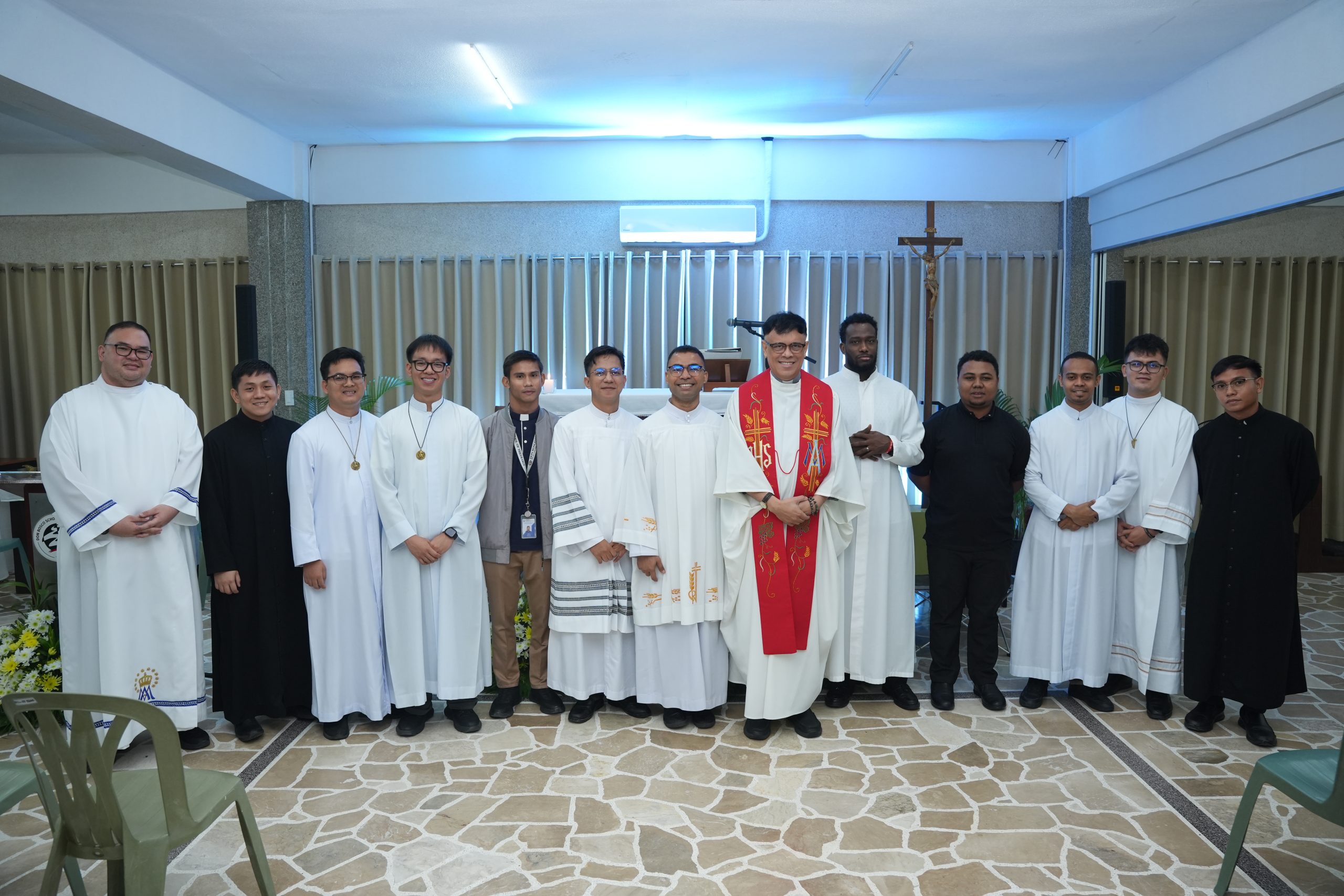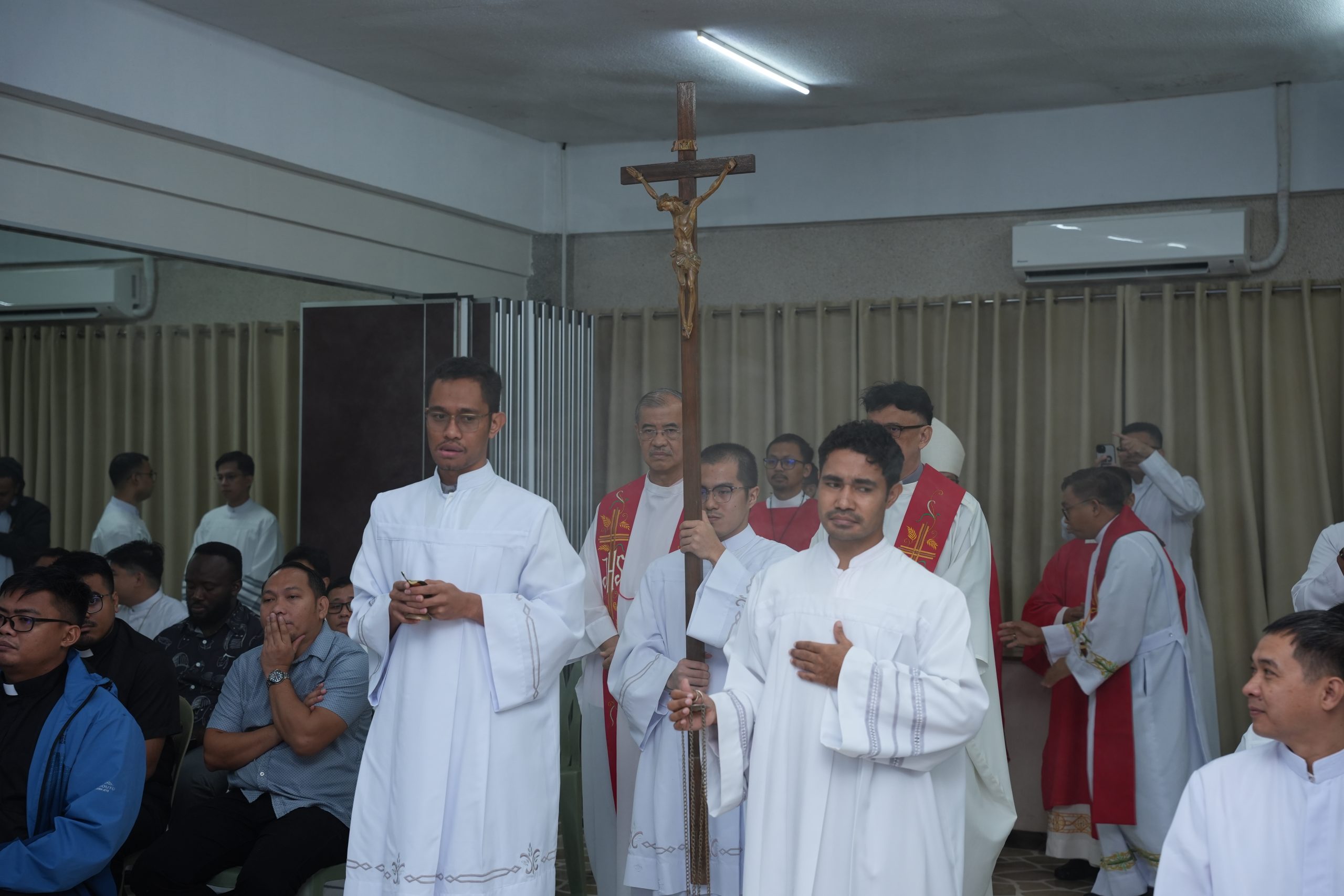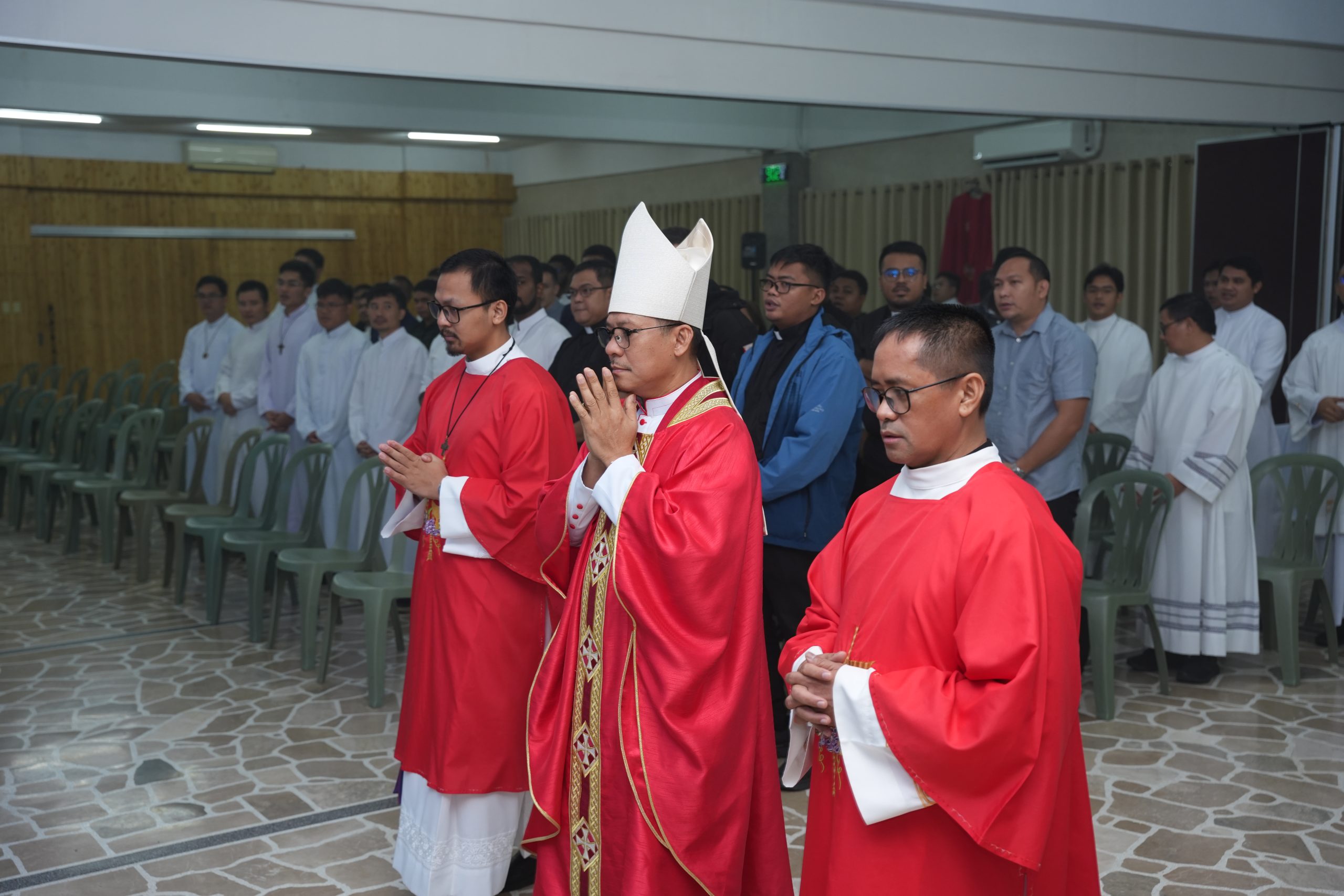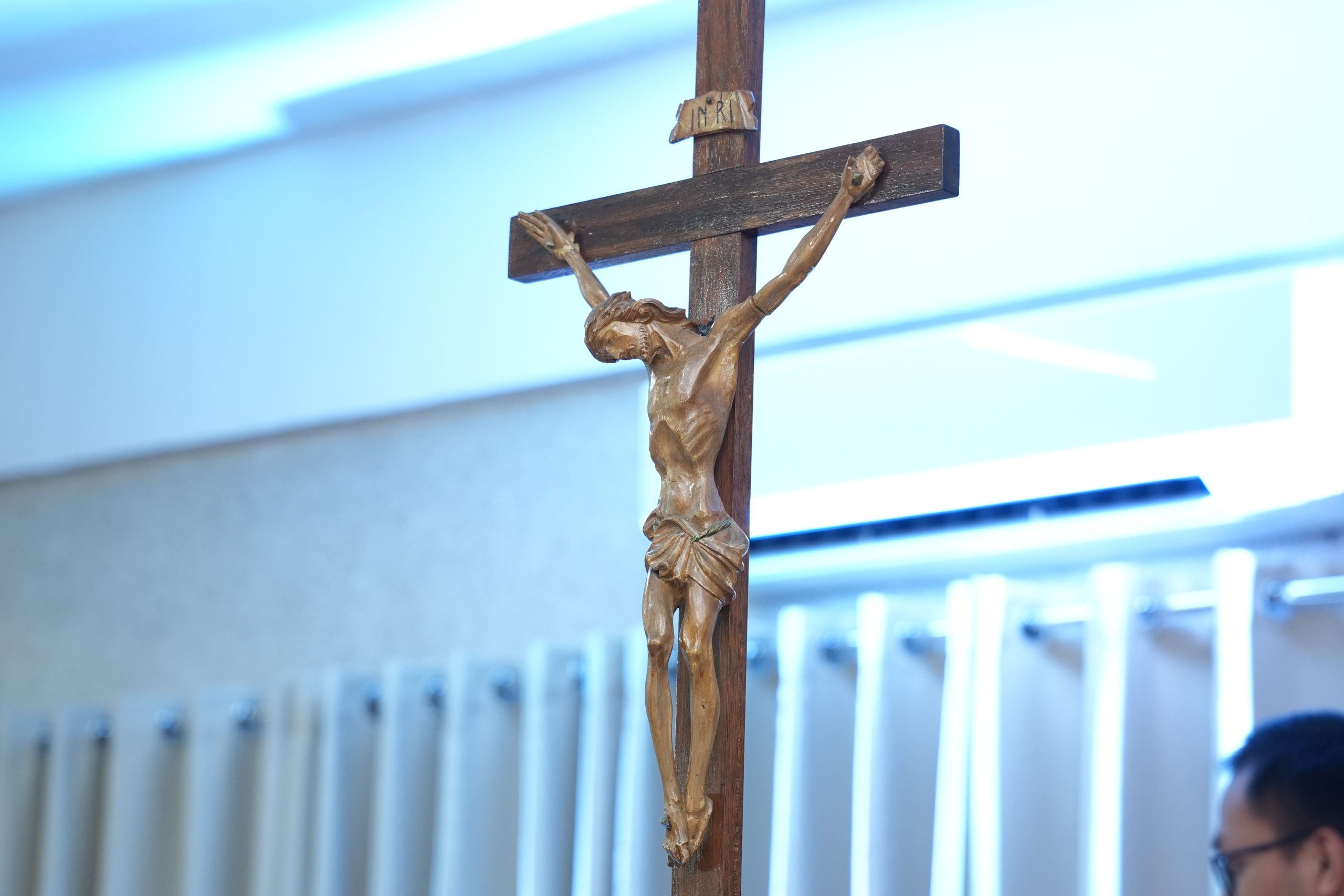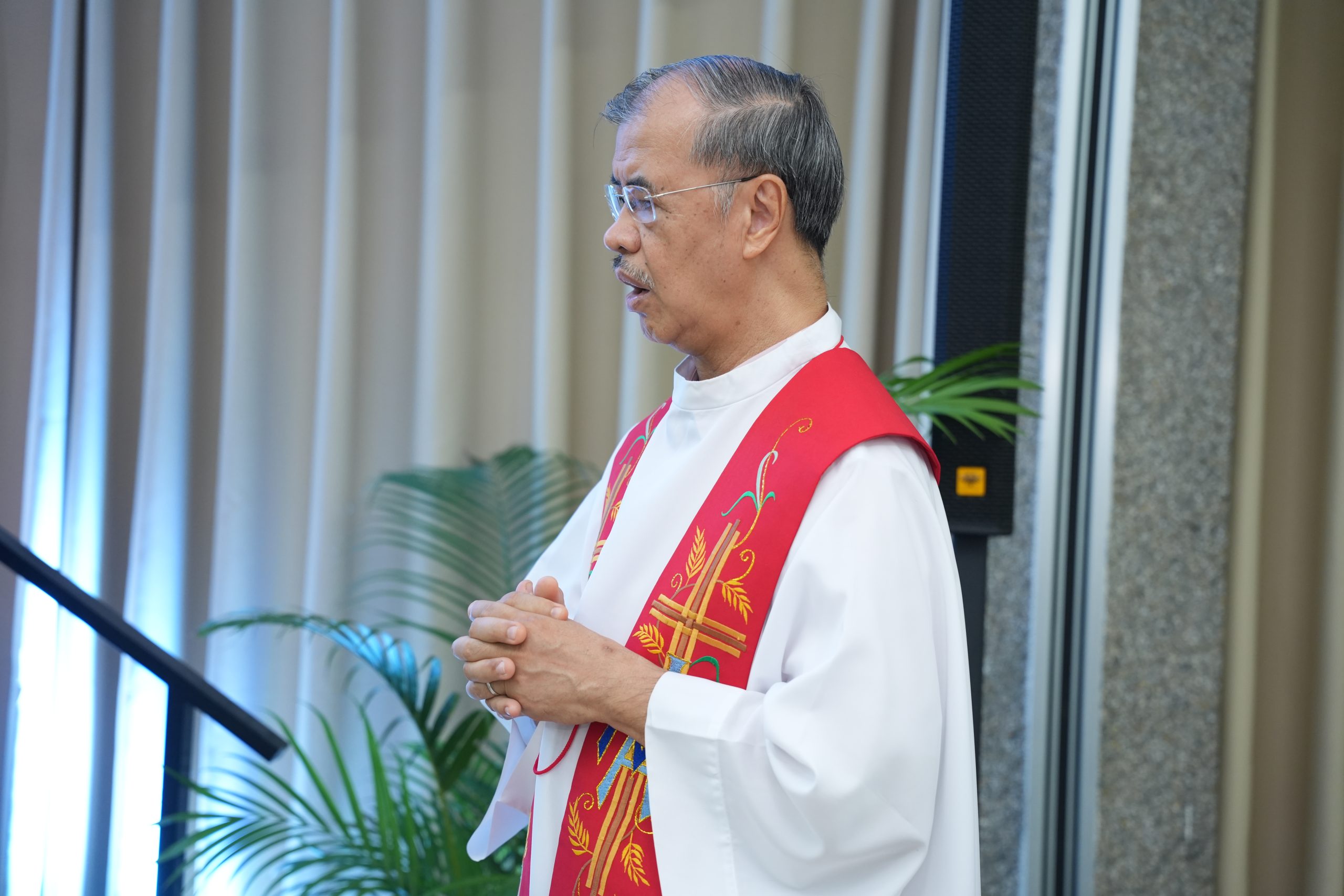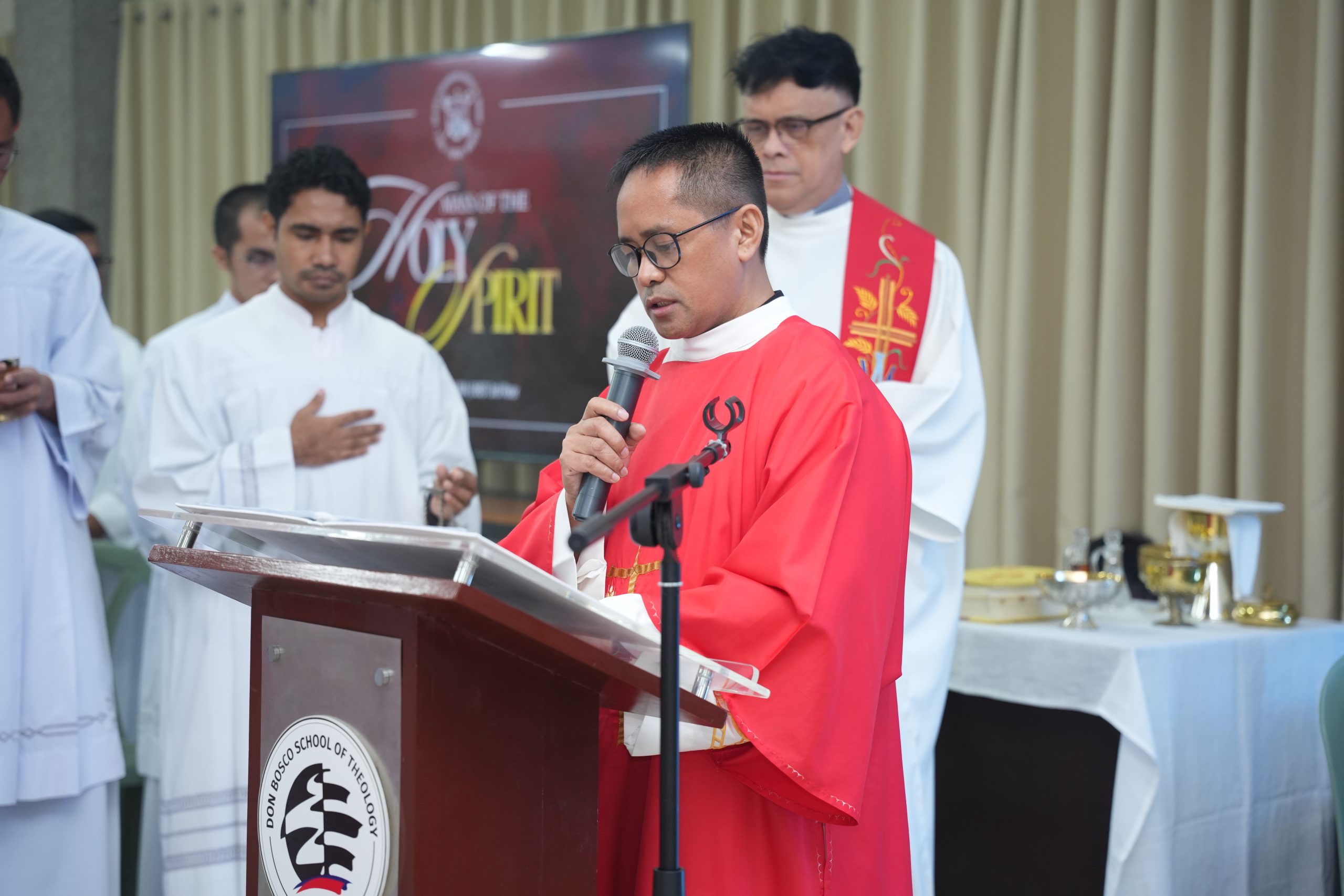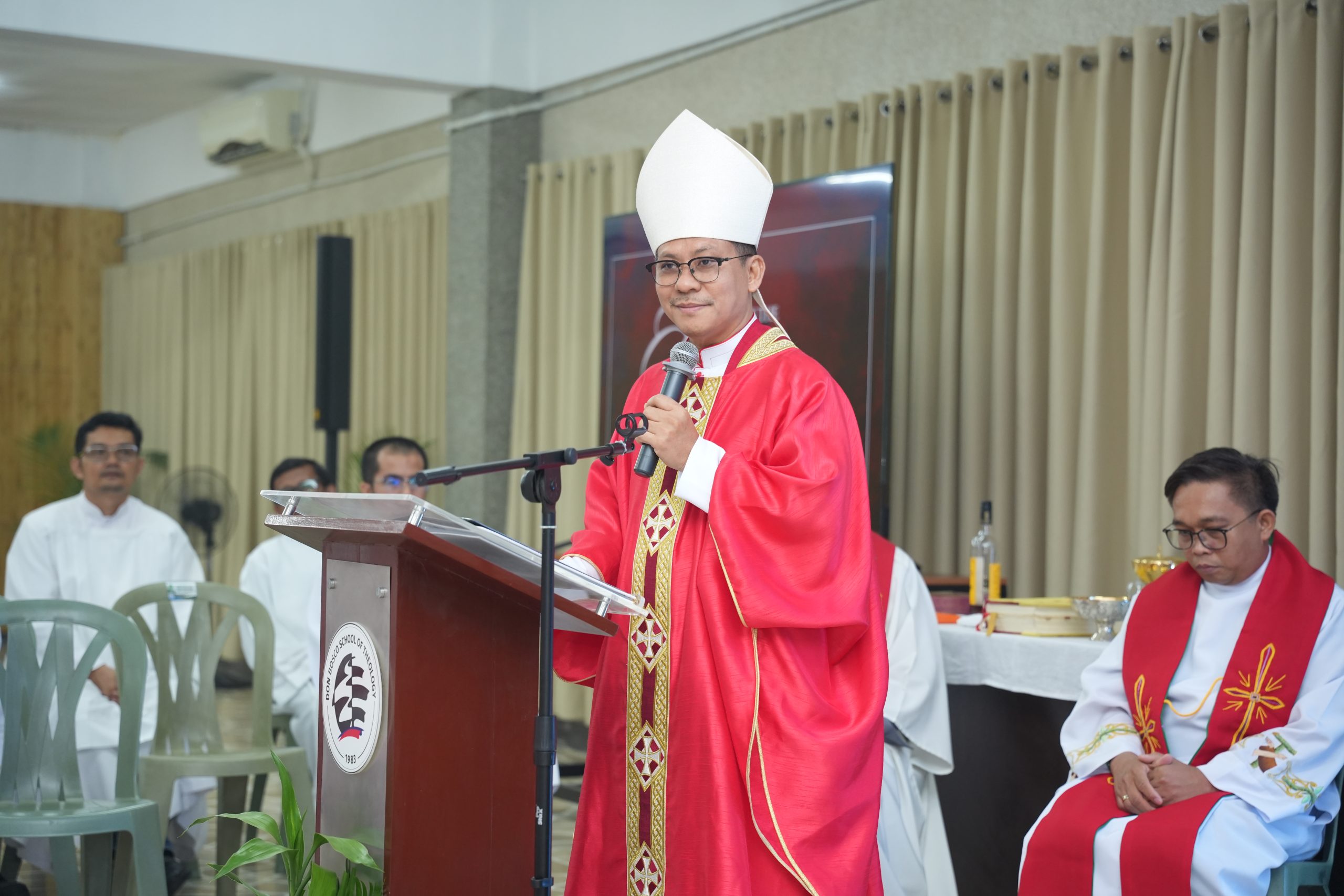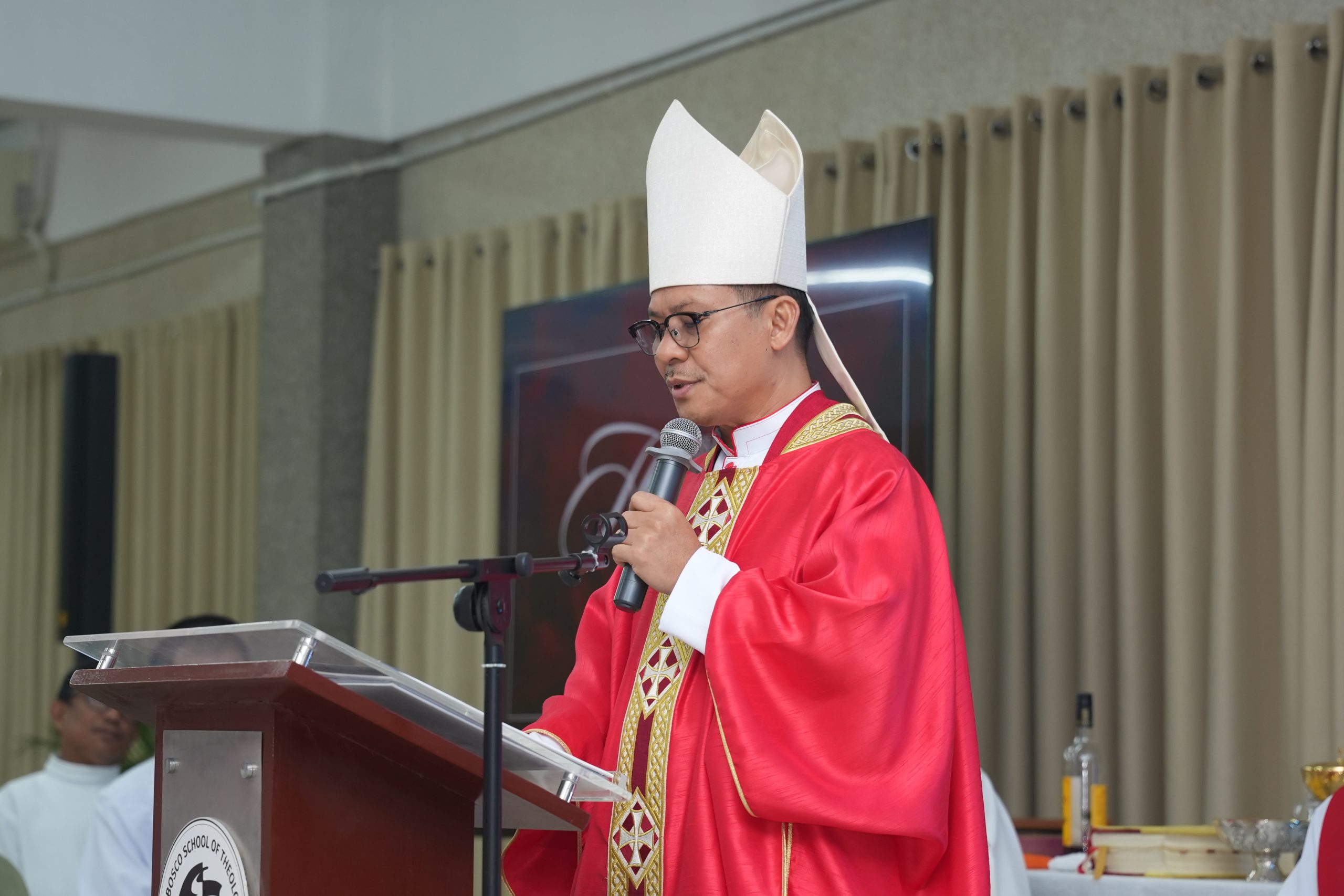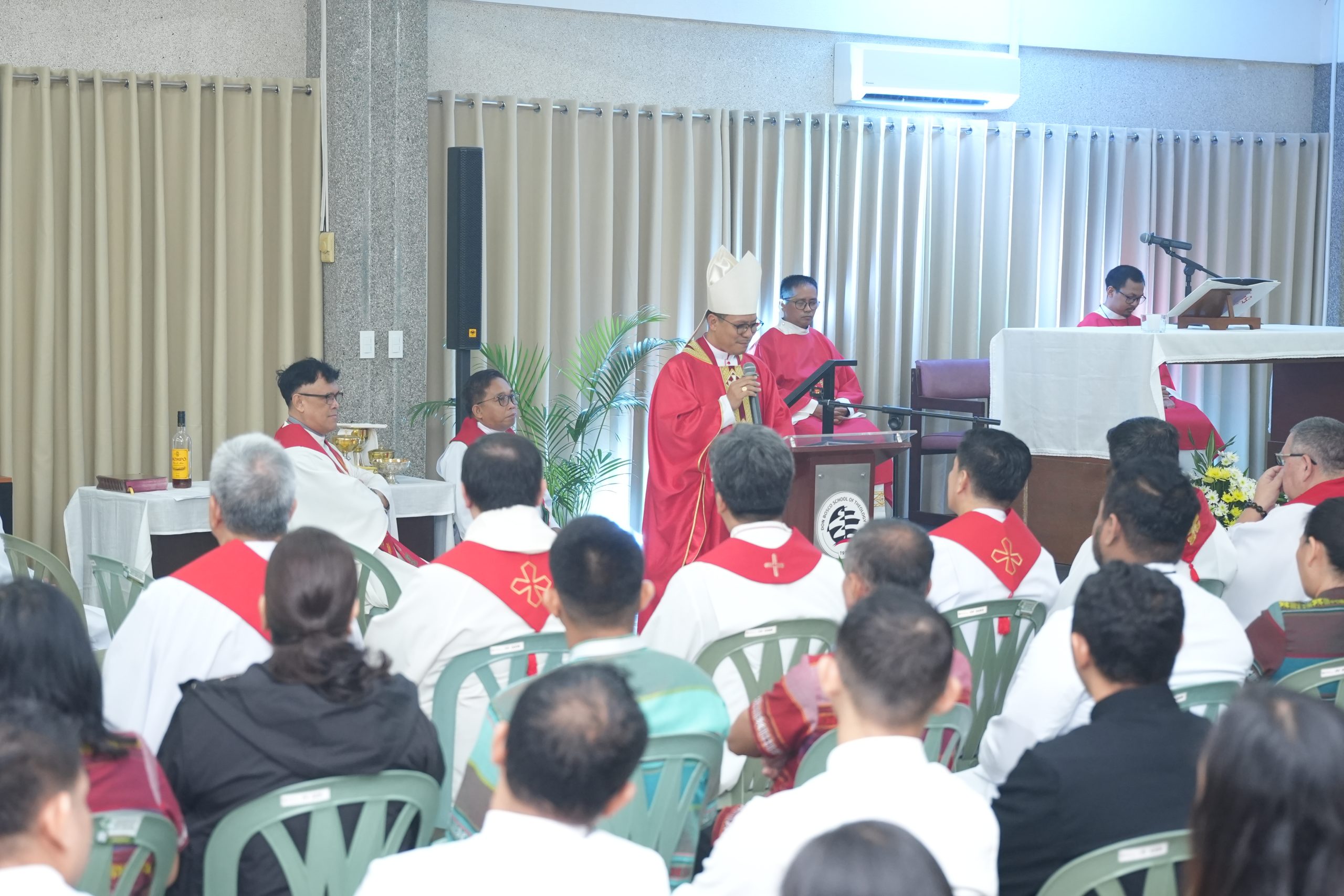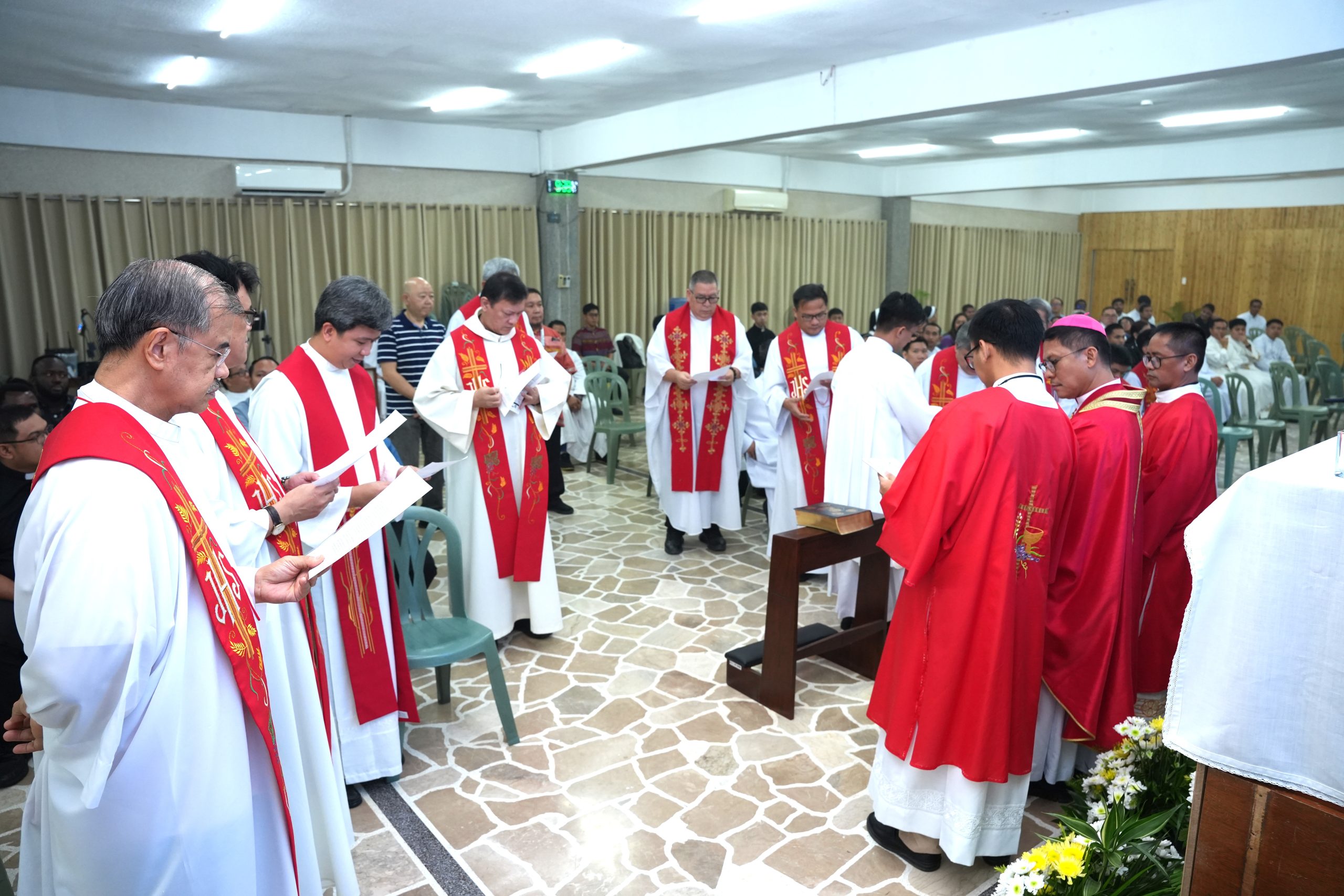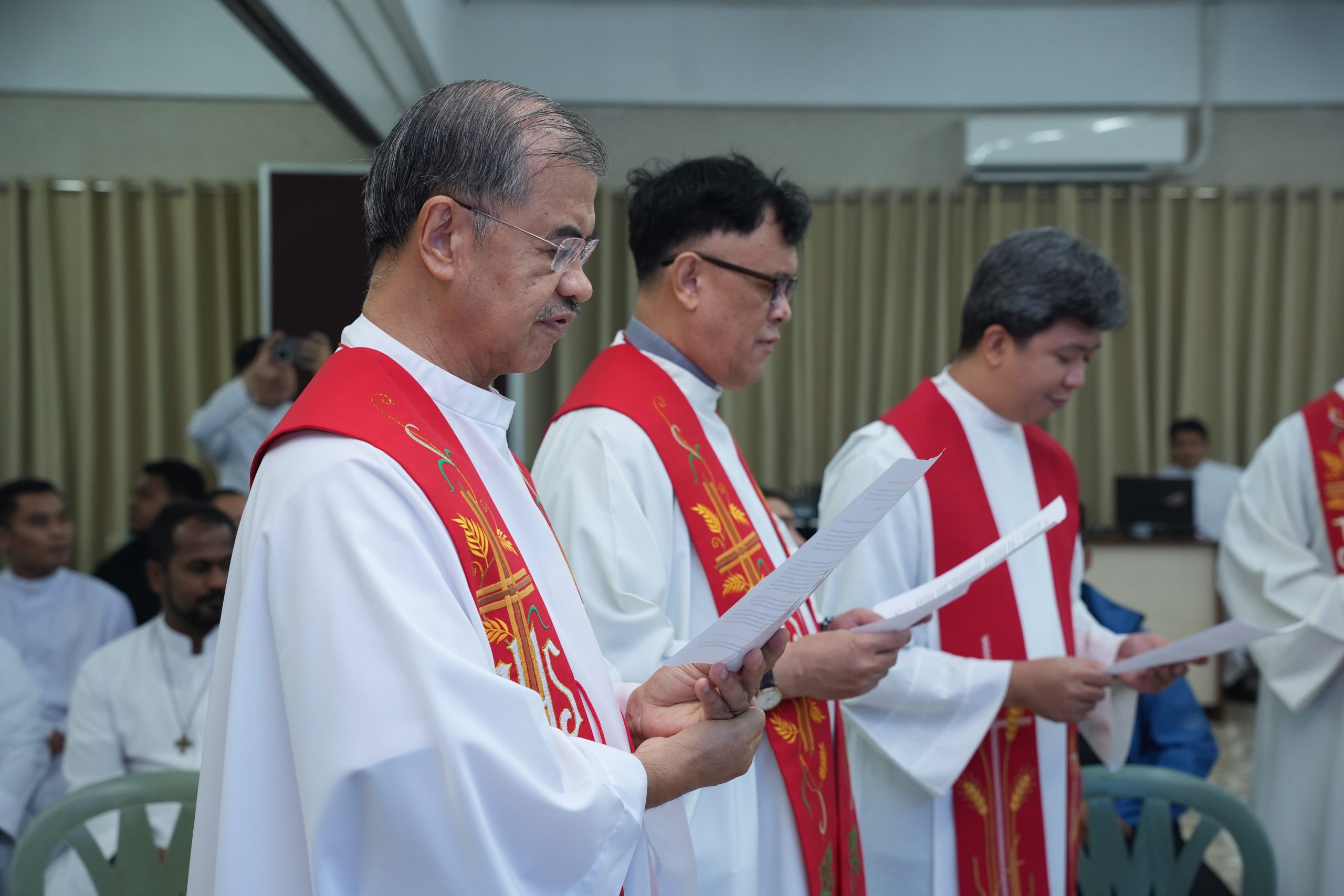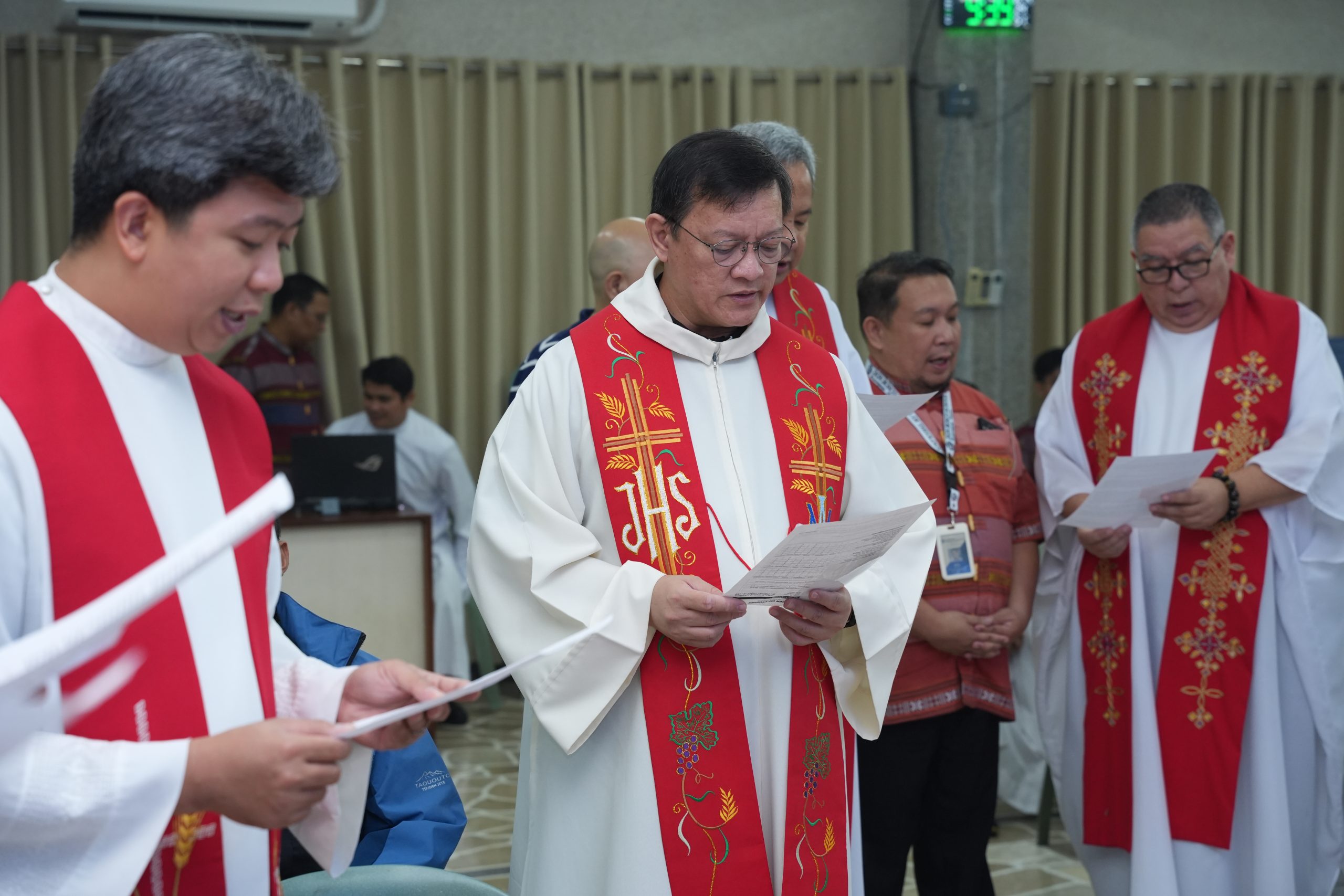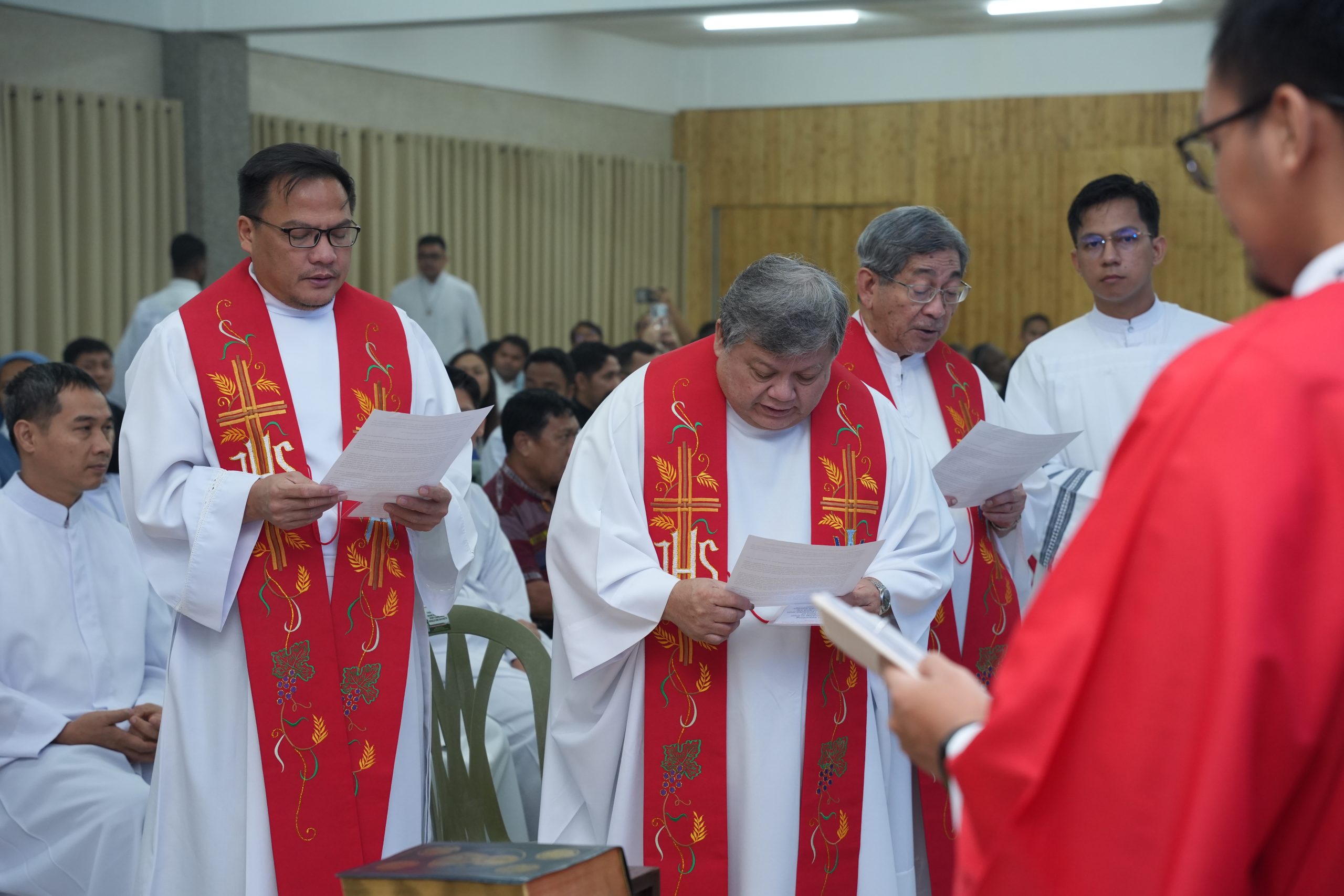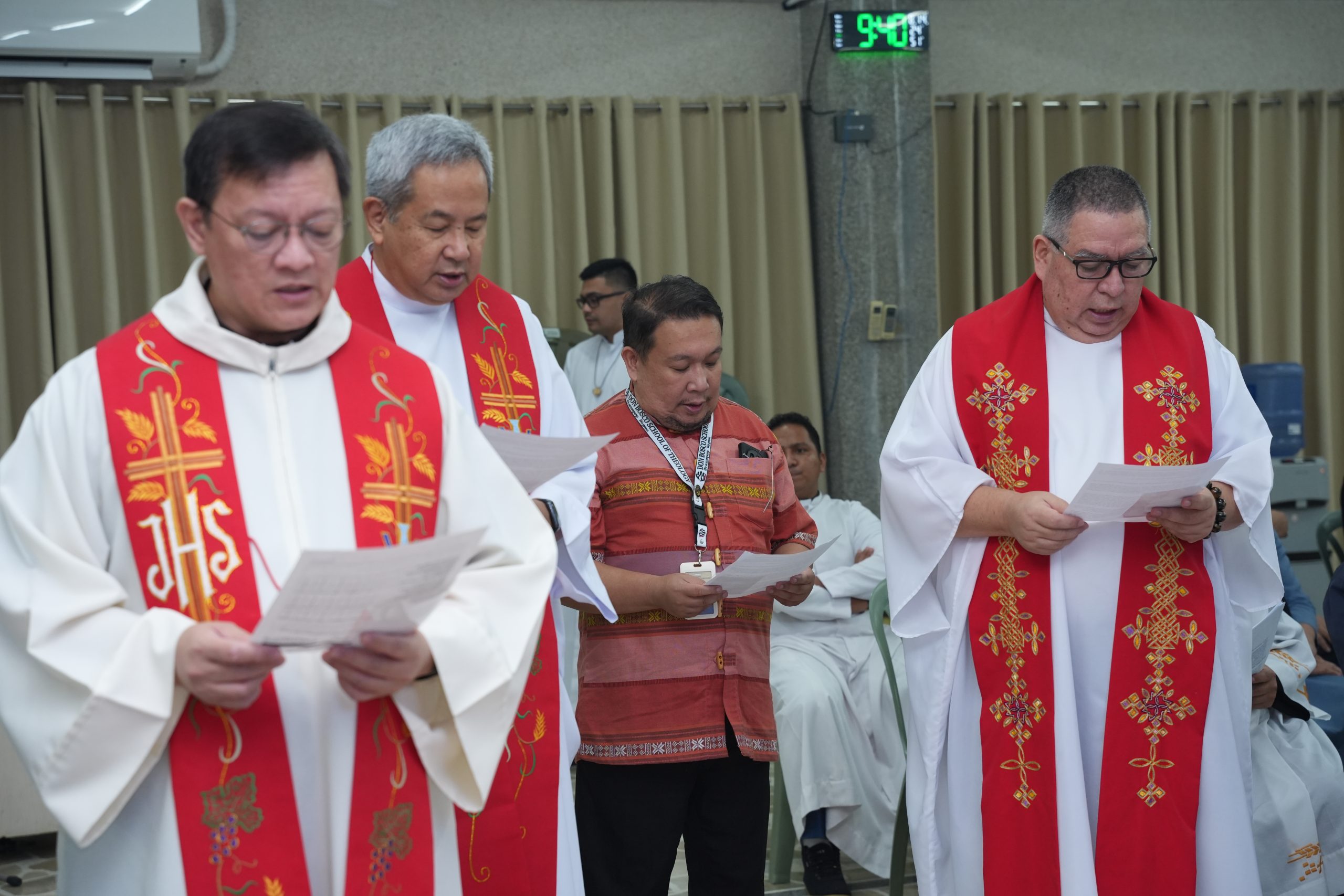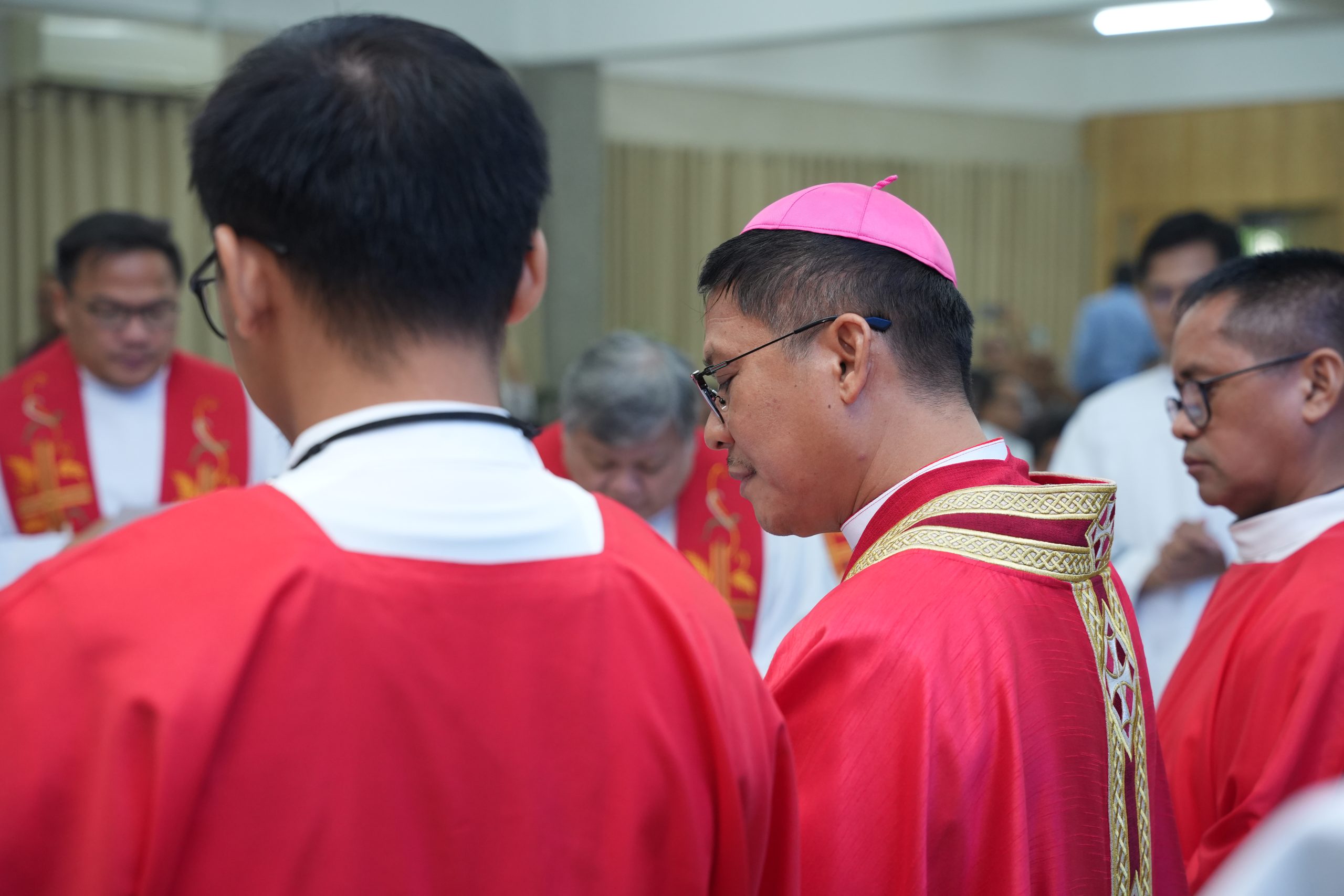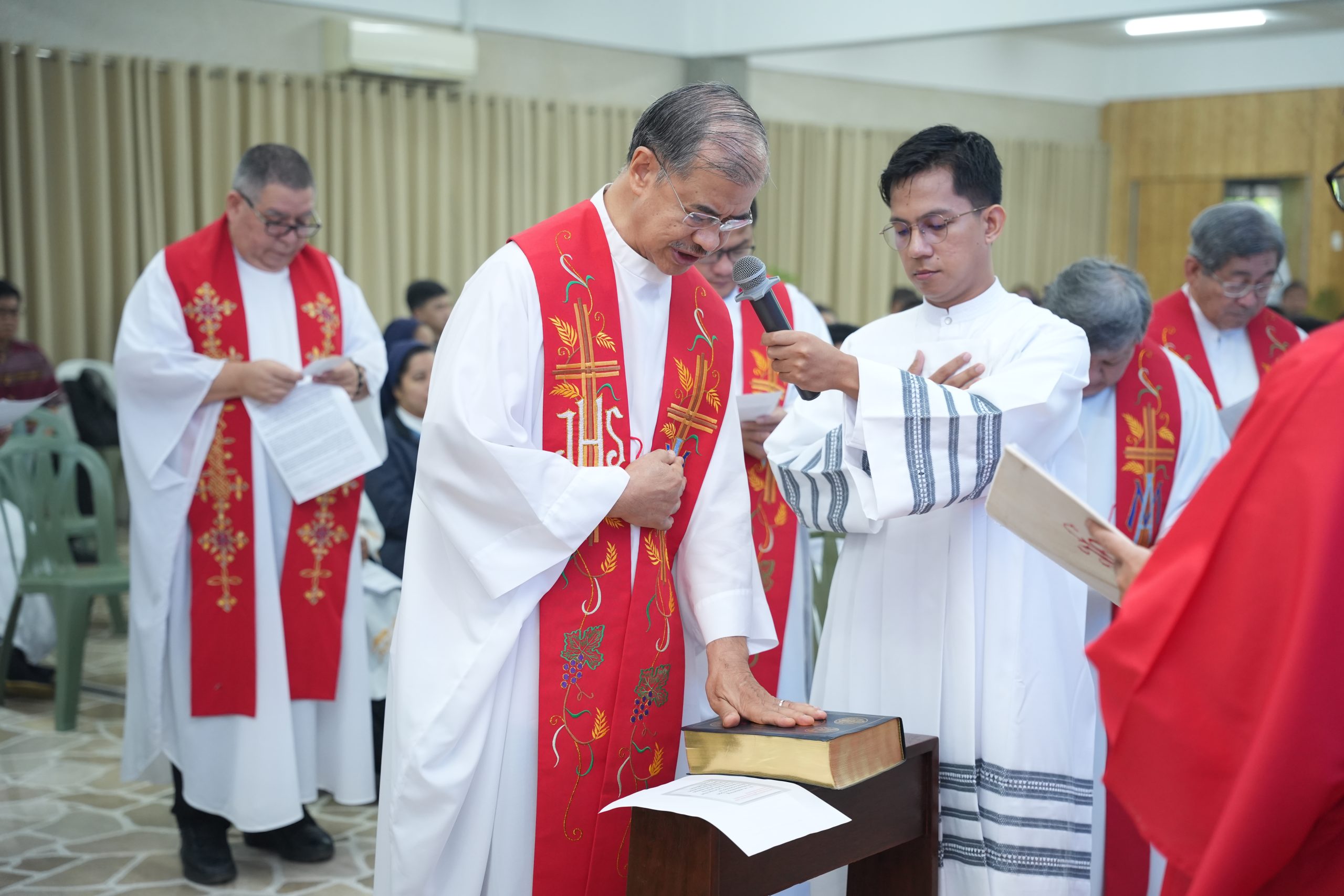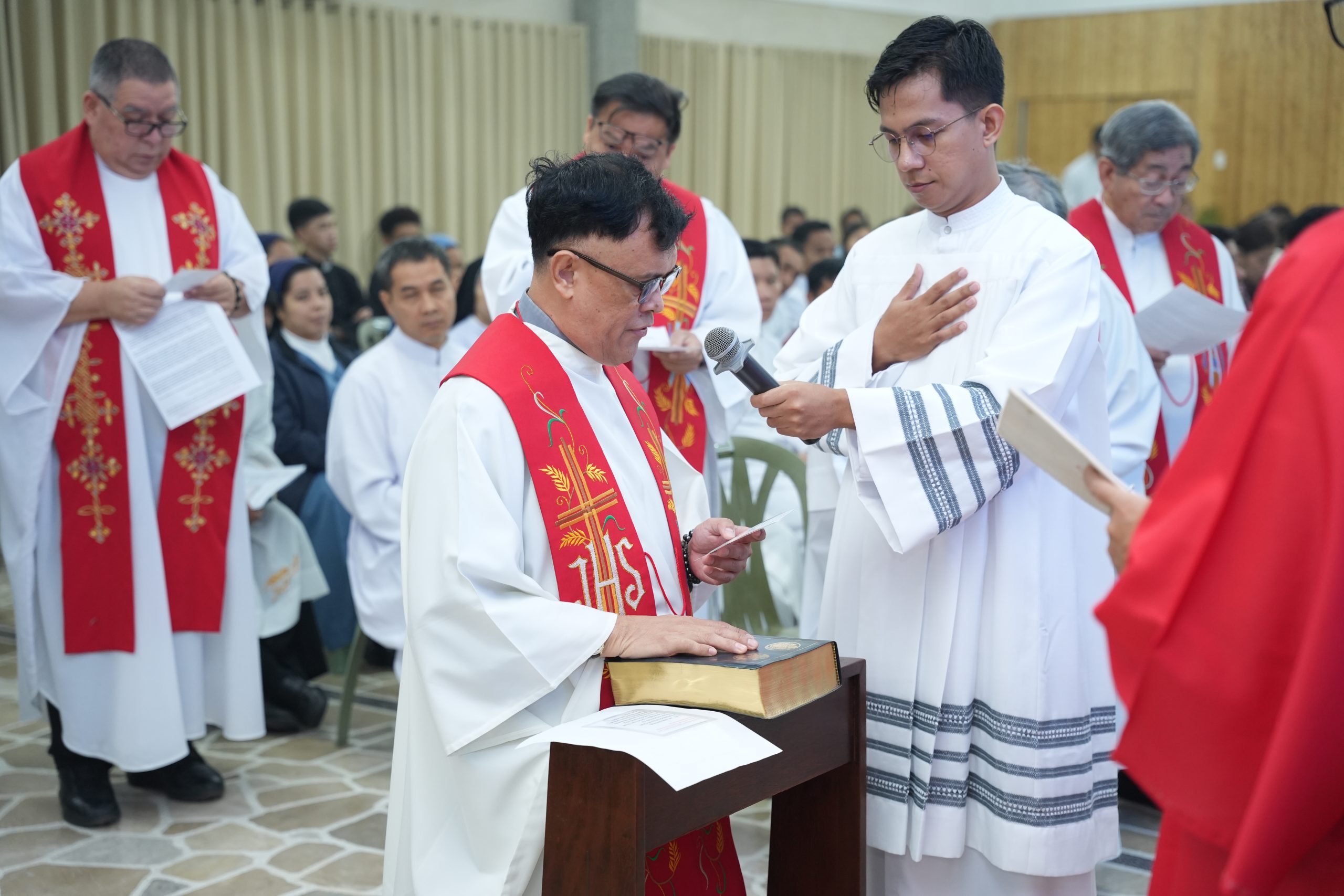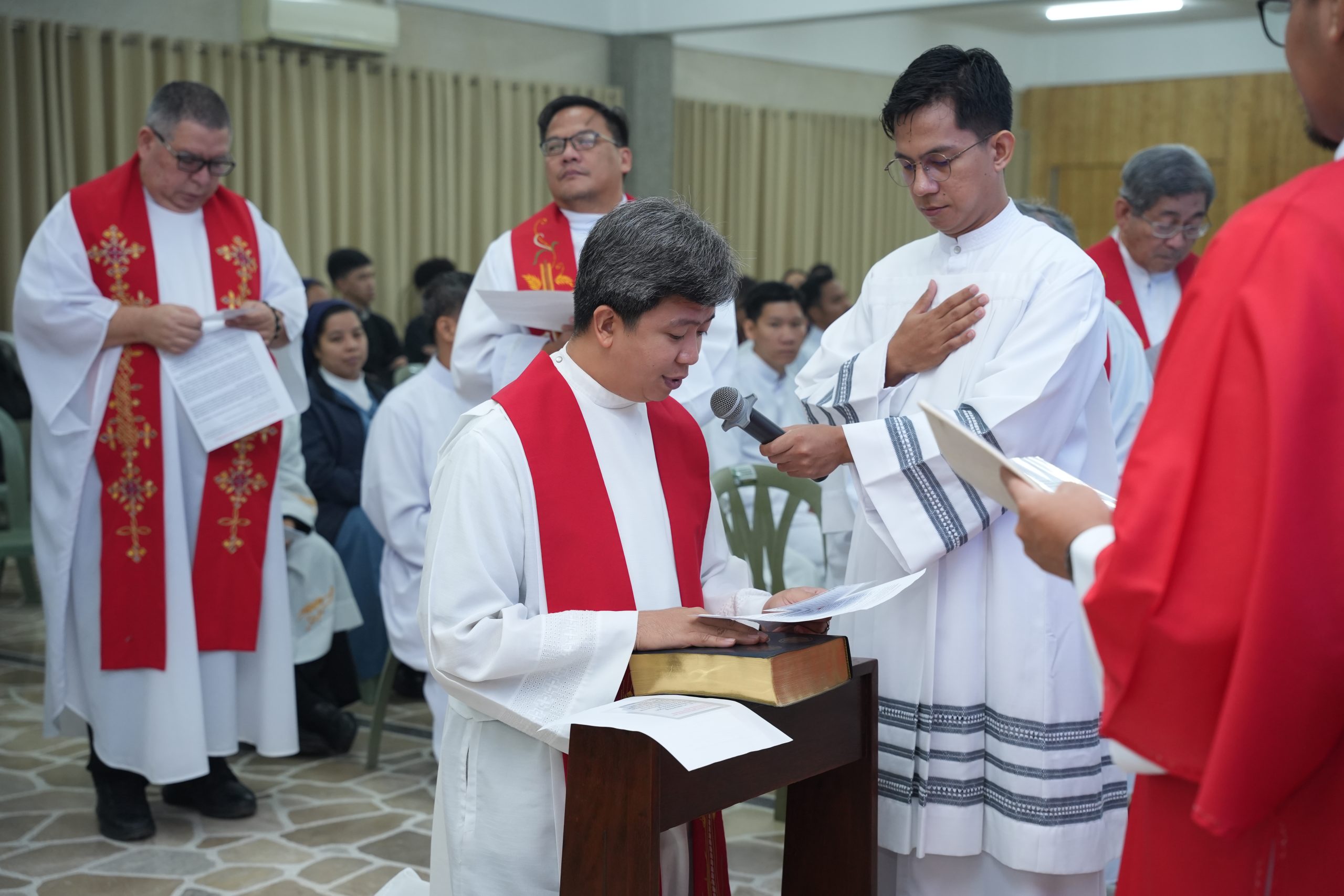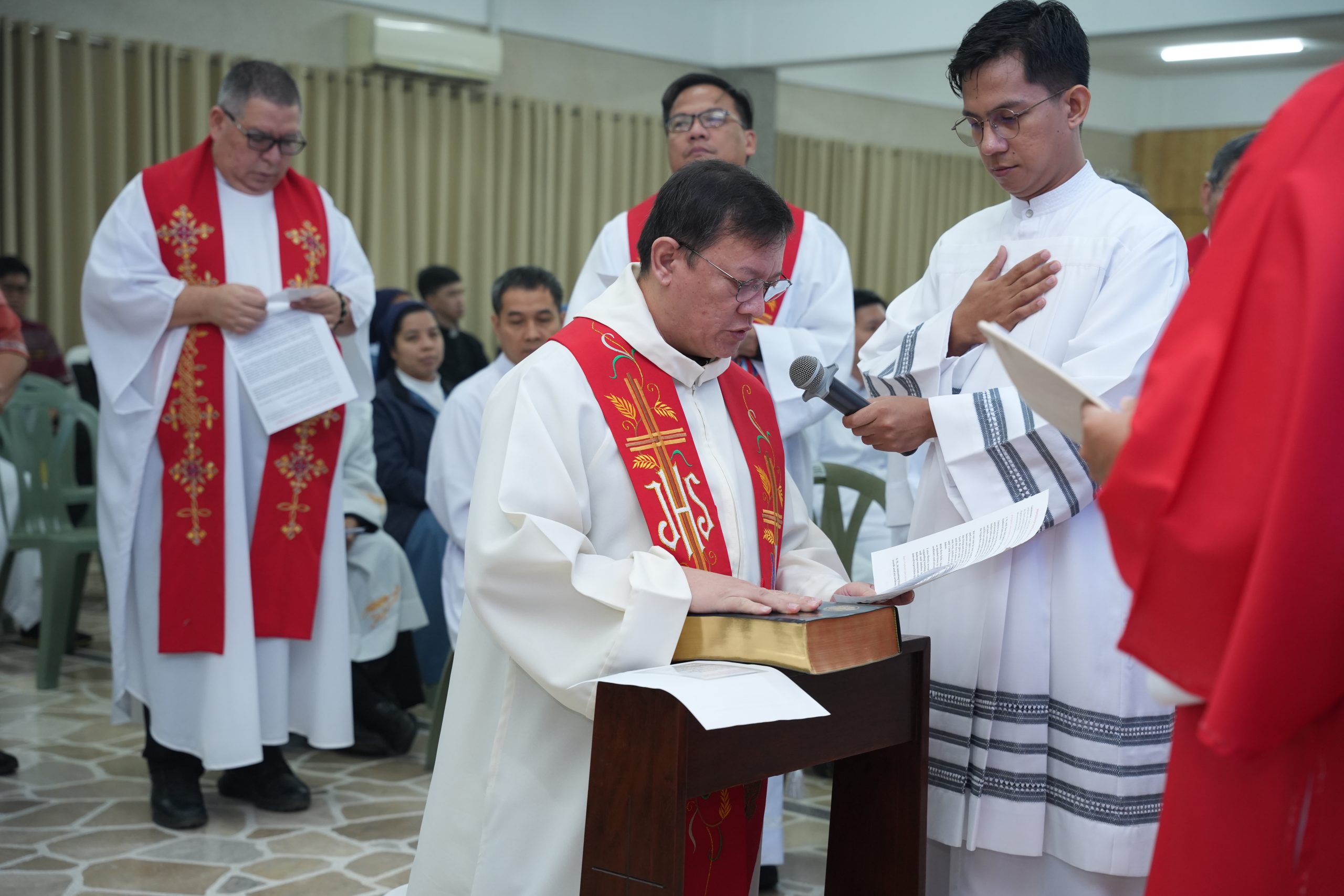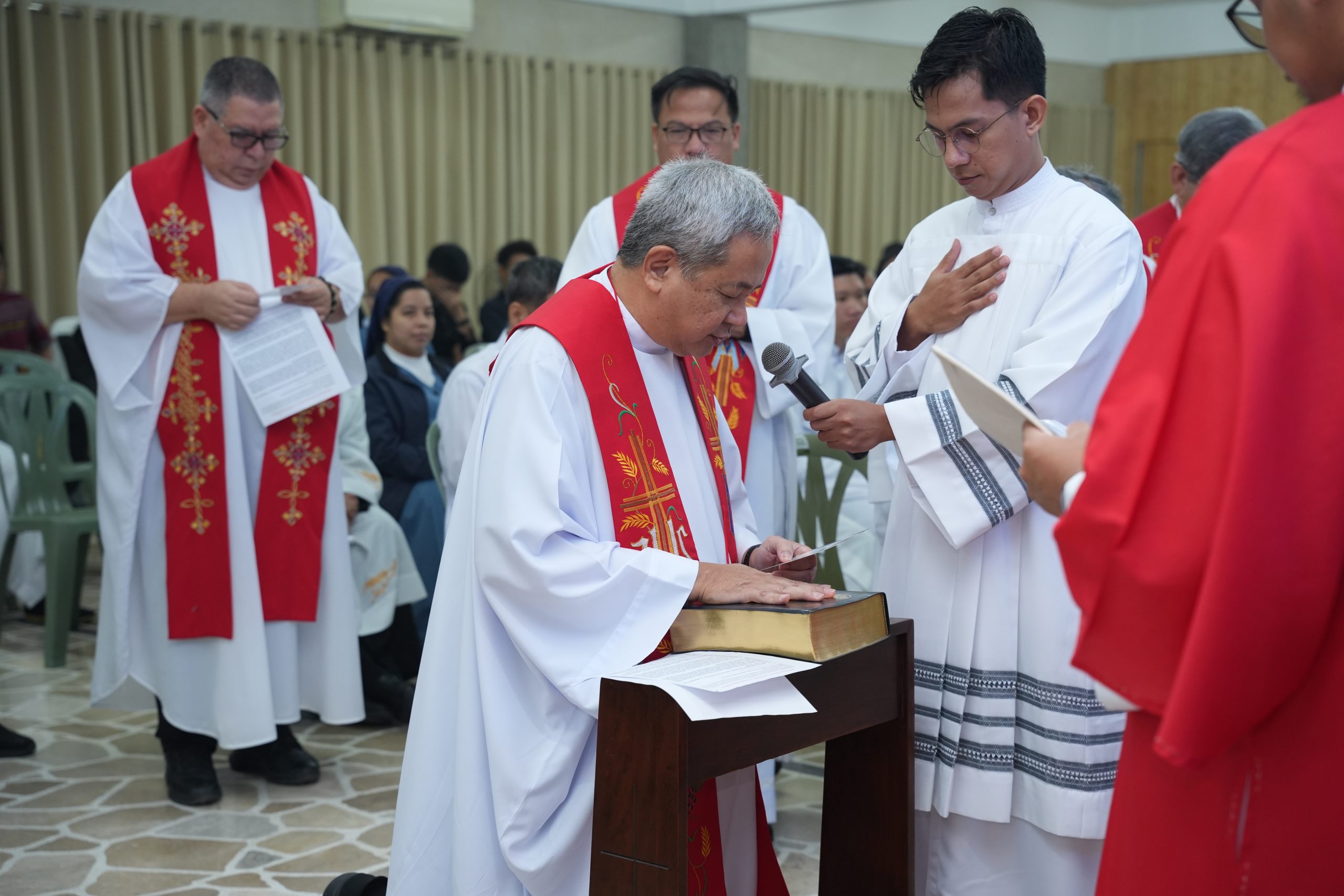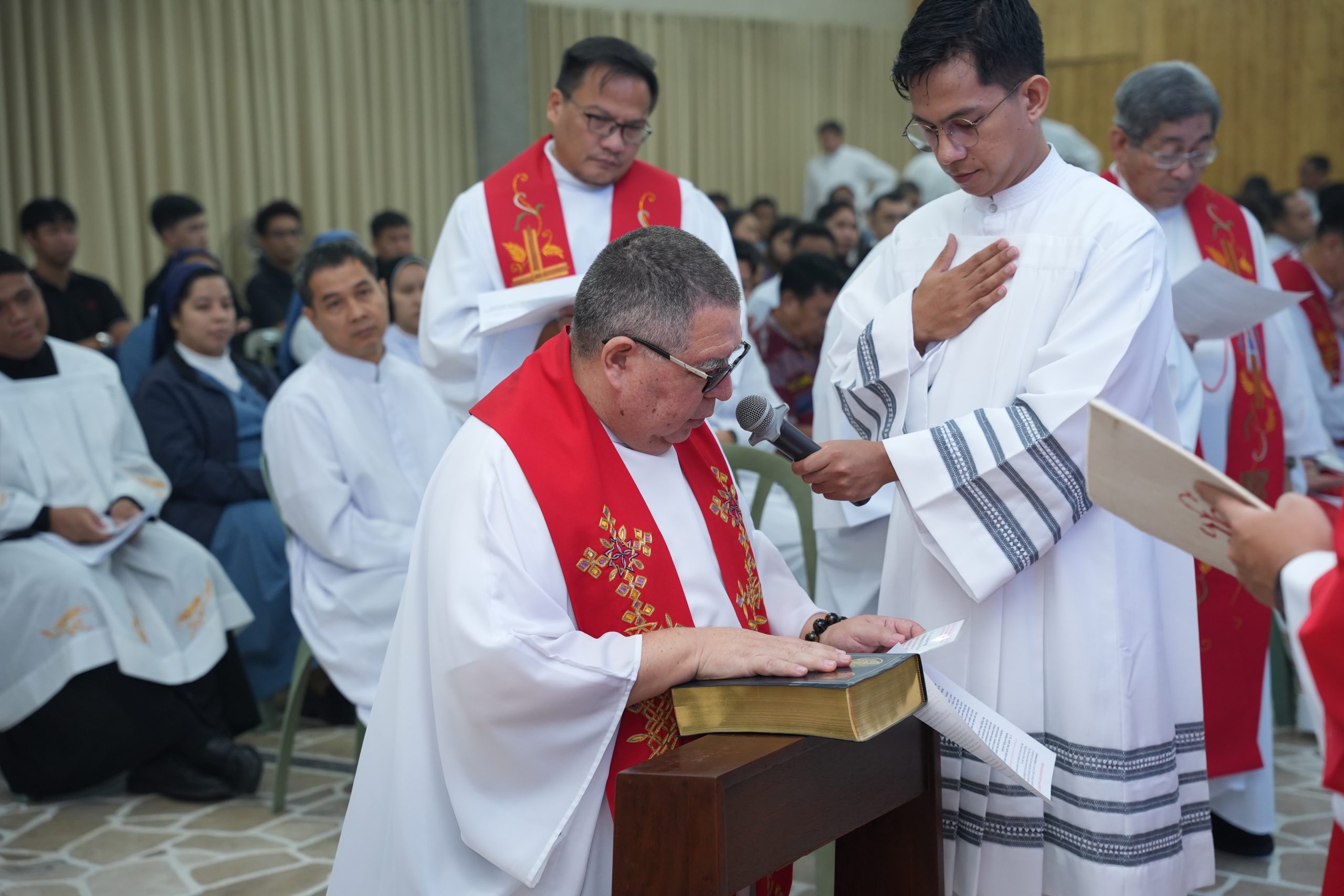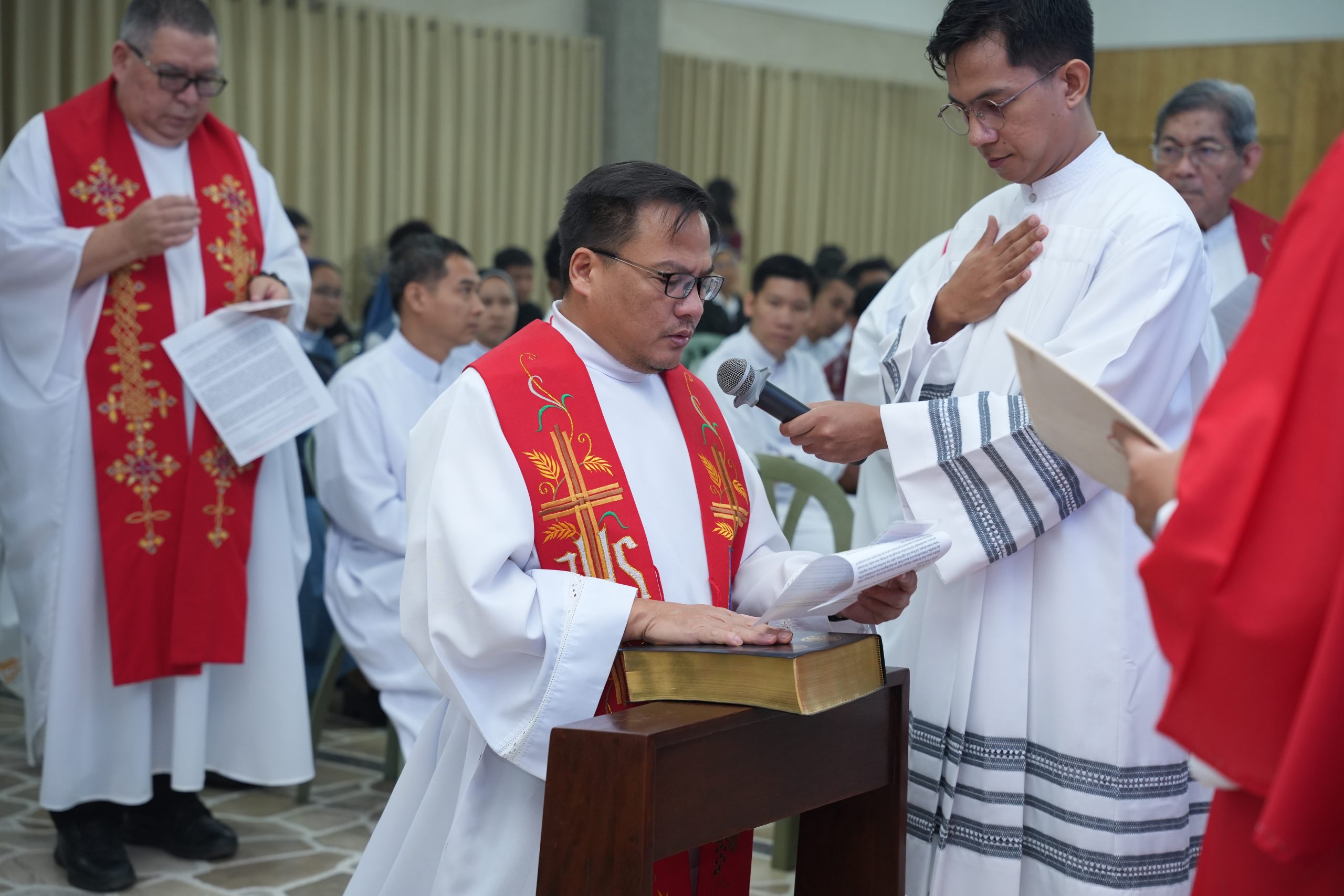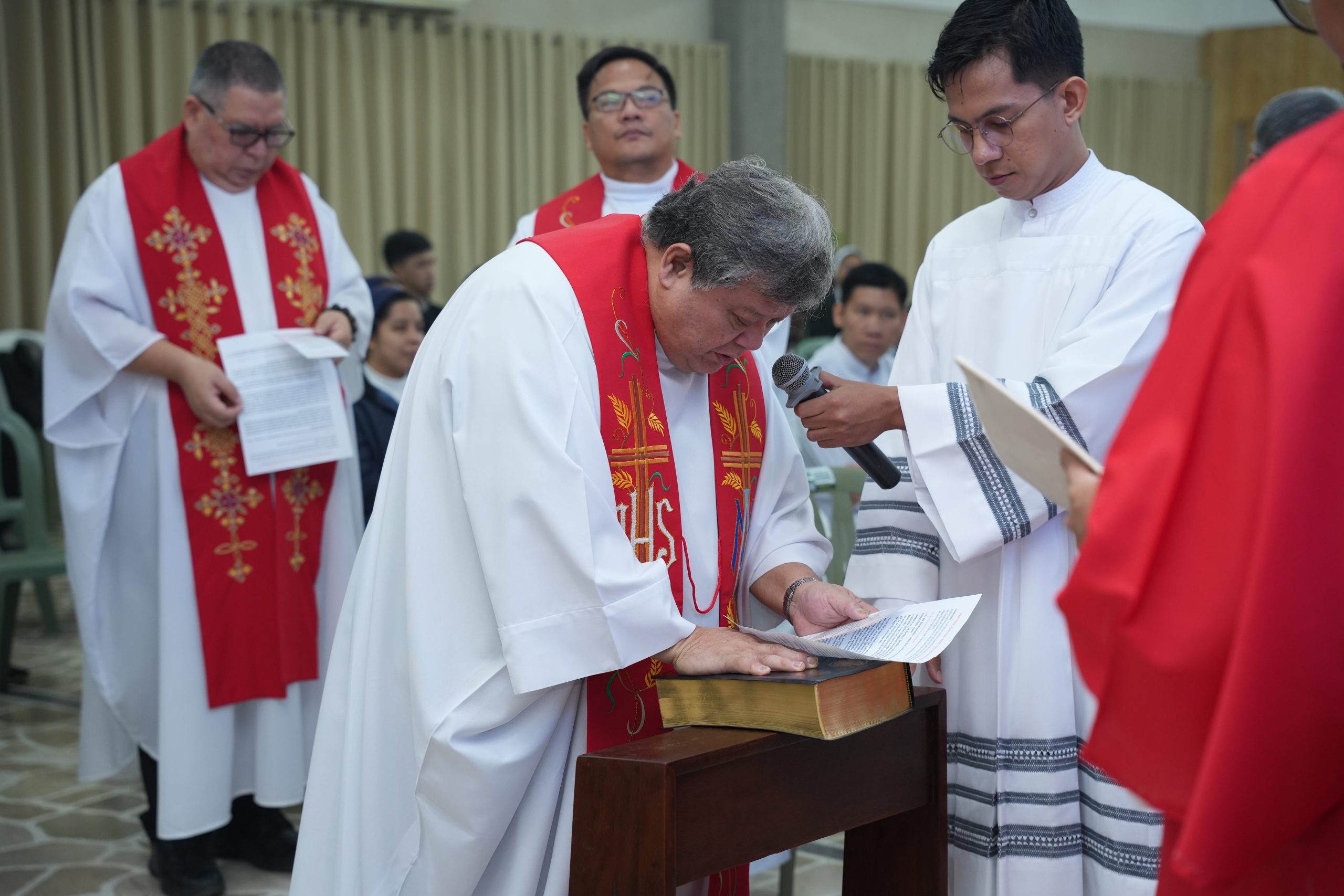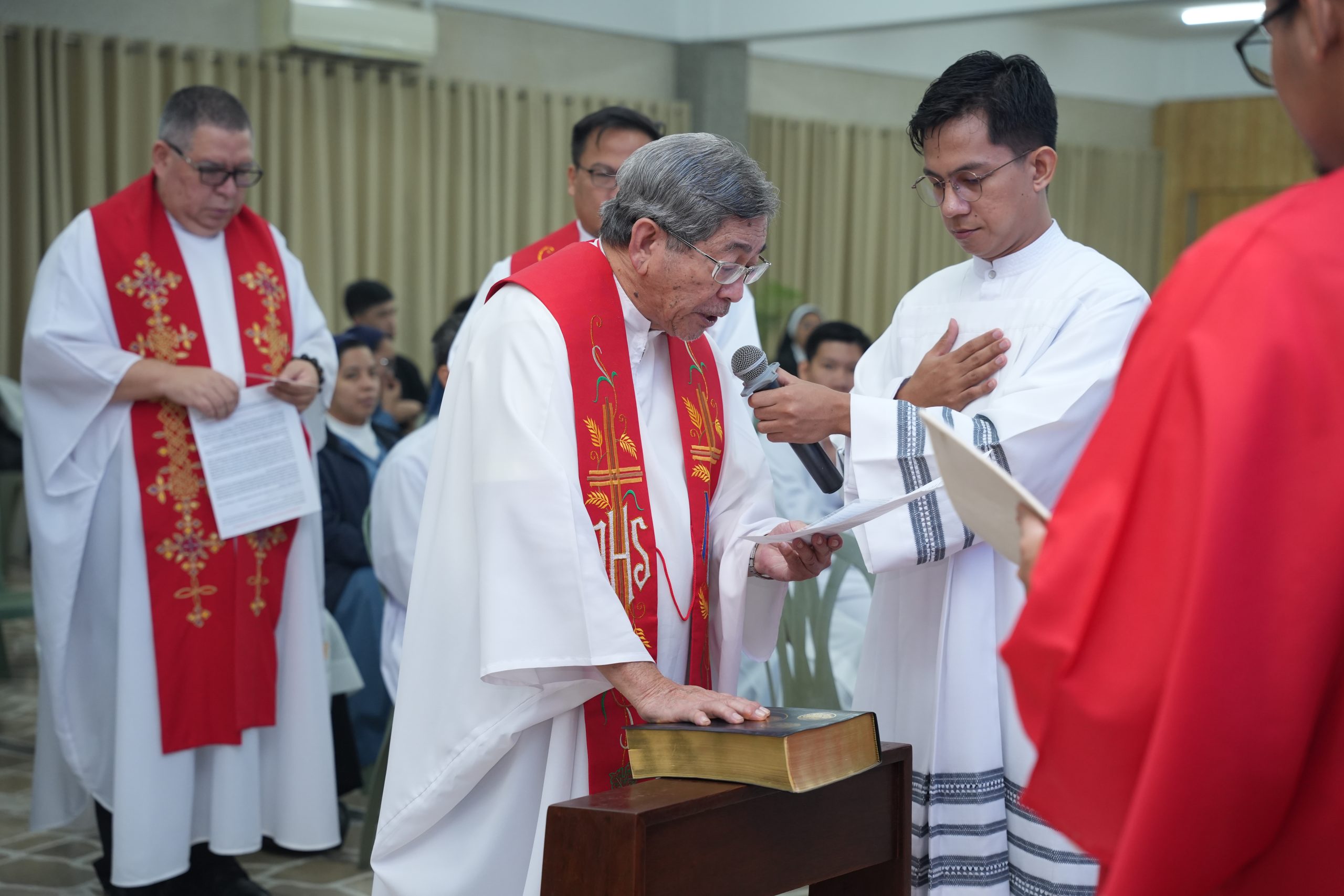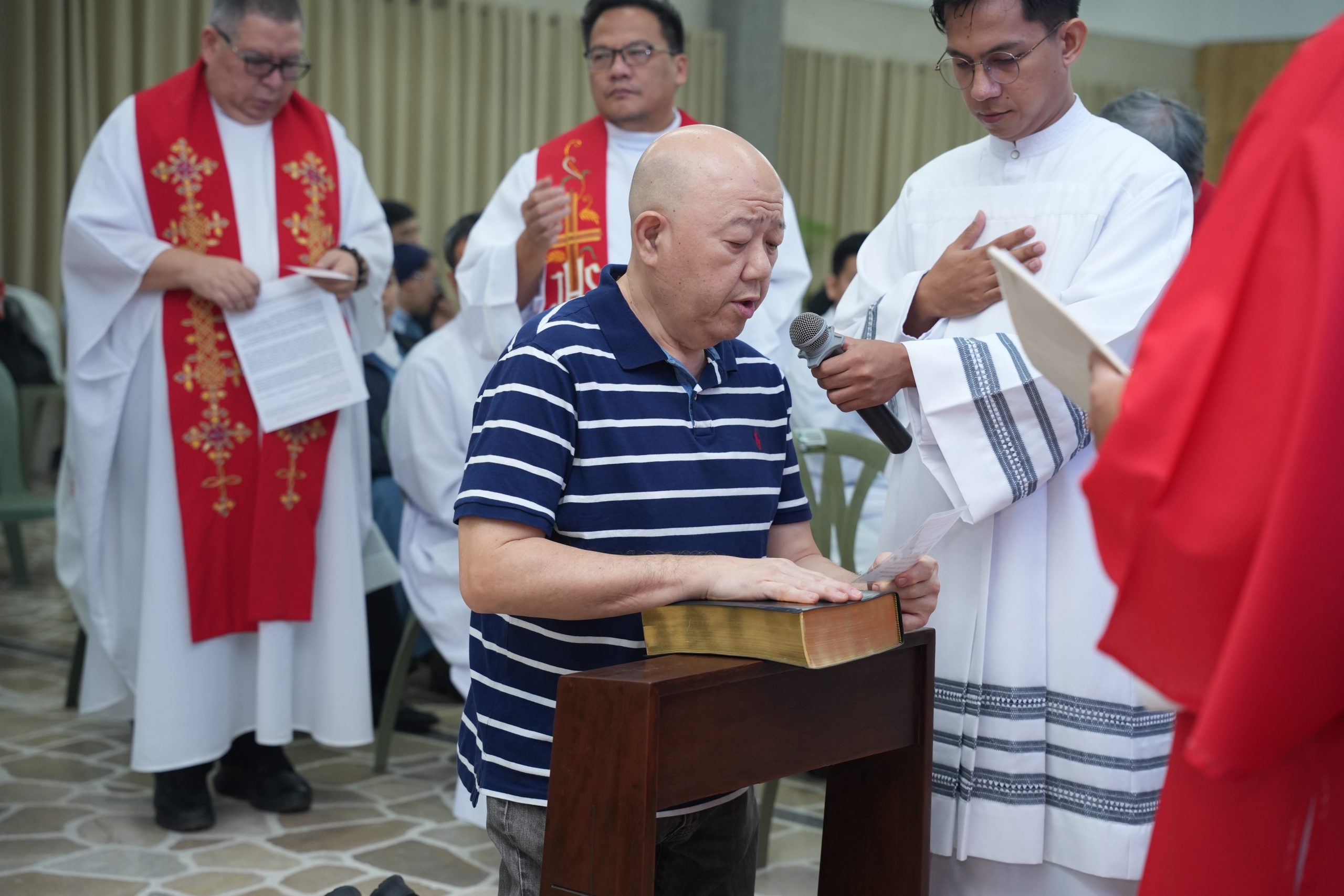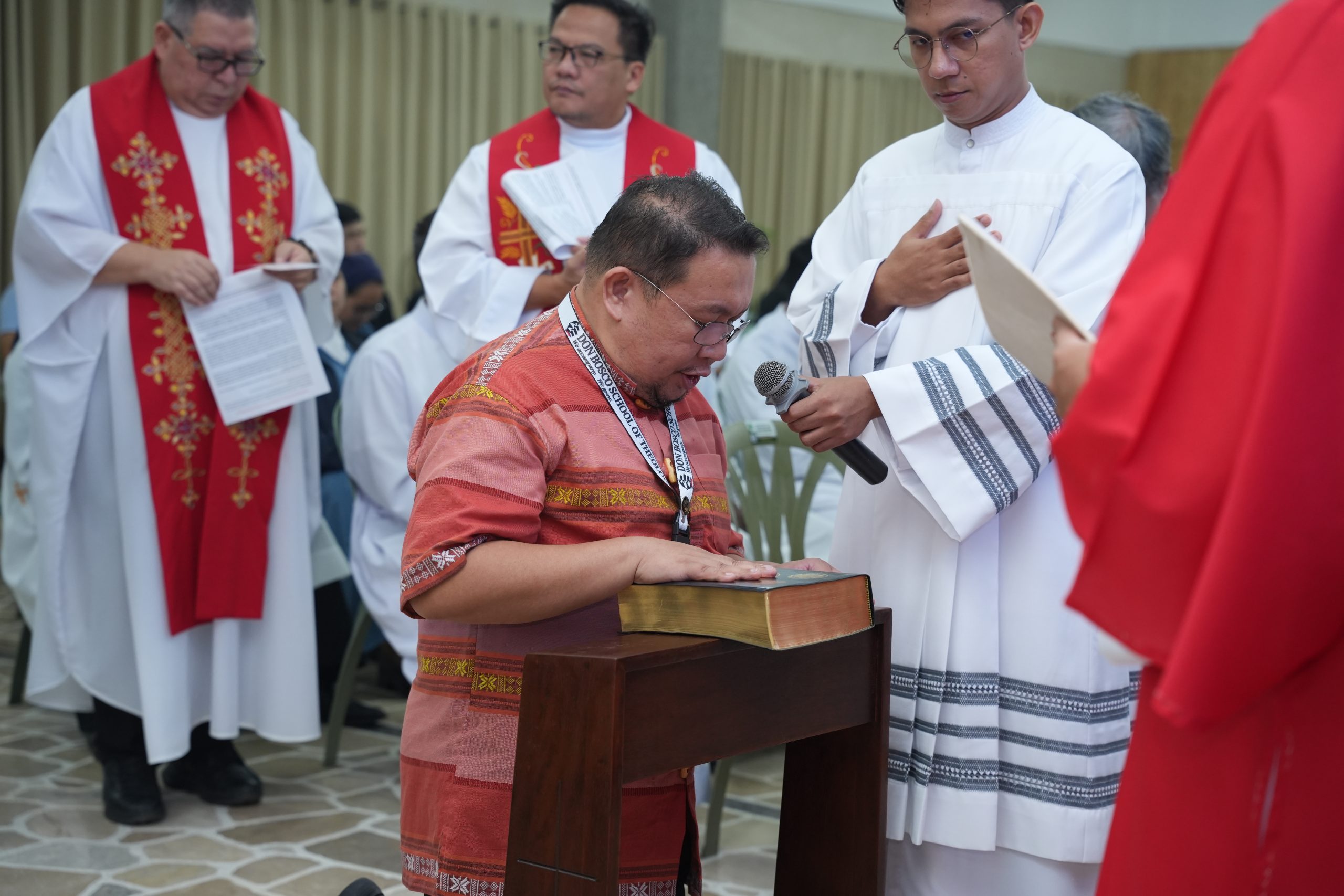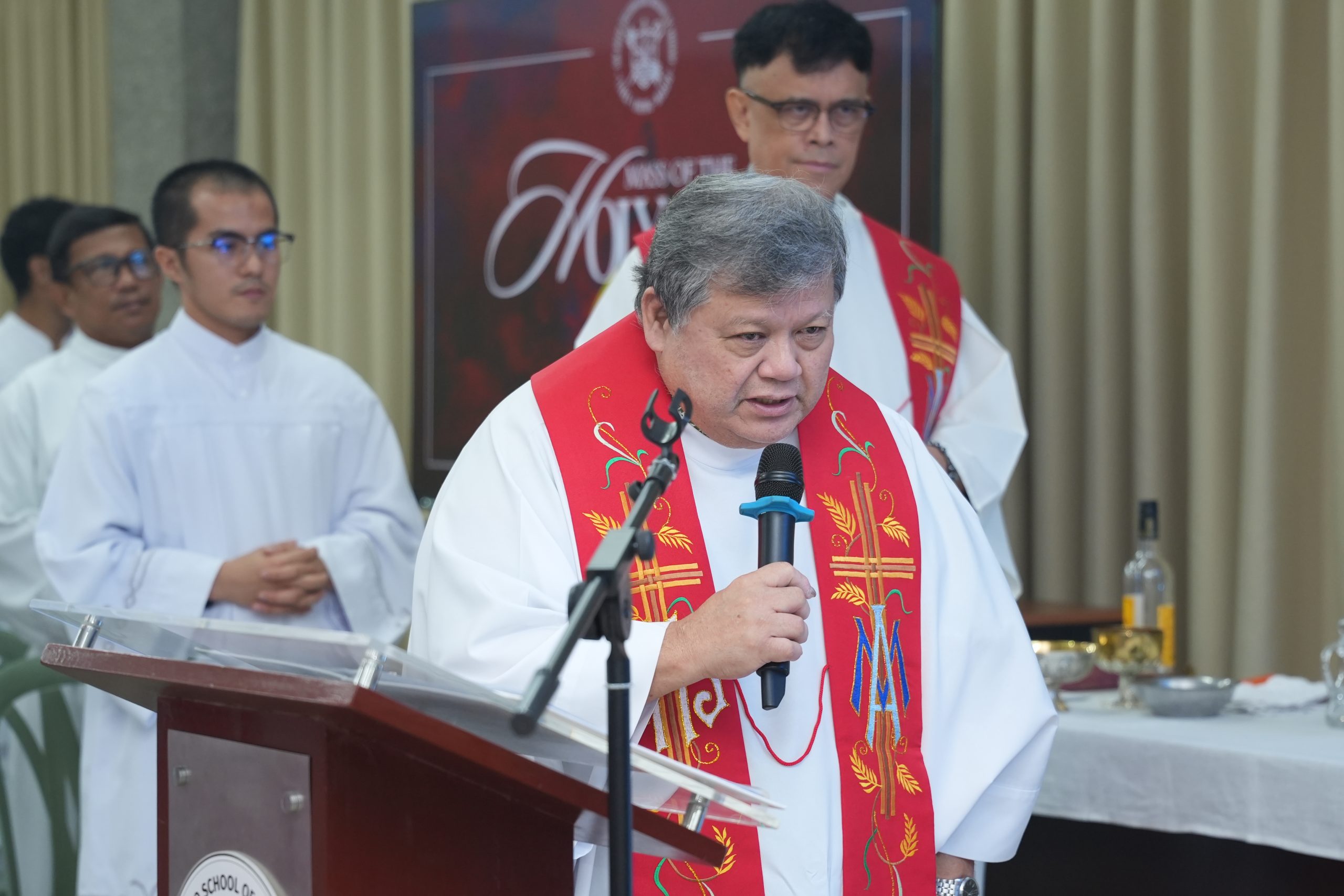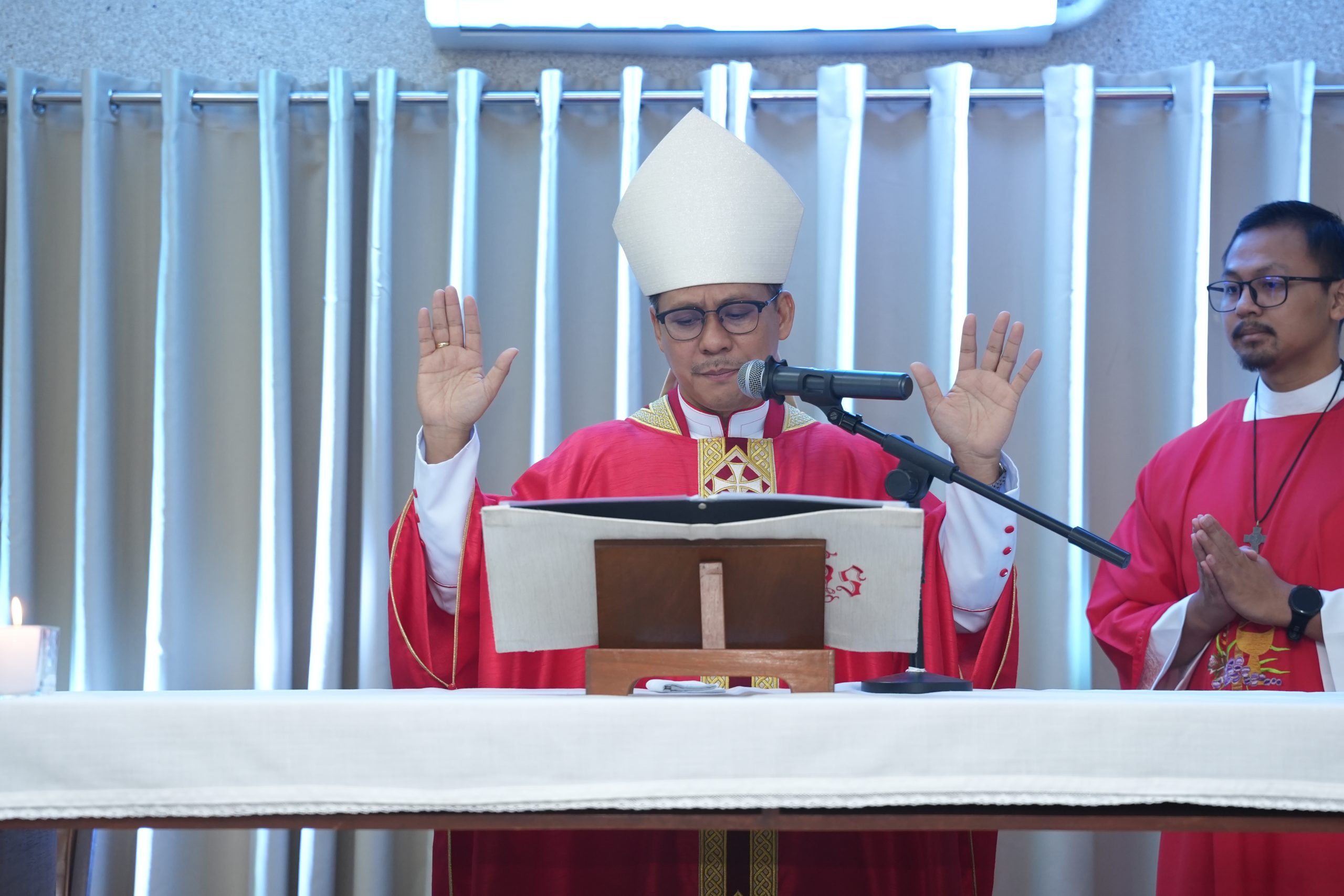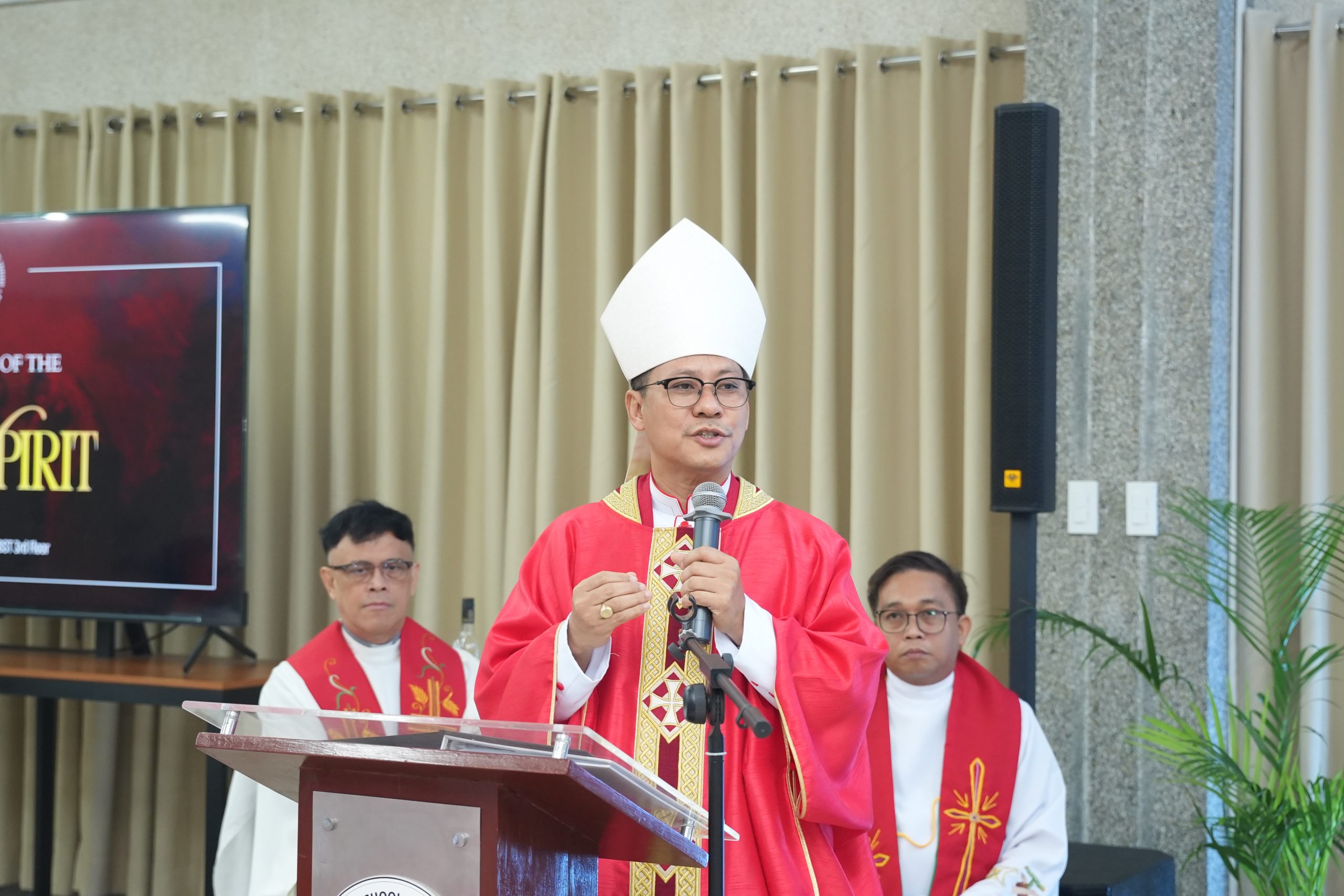
The Don Bosco School of Theology (DBST) began another academic year on August 14, 2026, gathering its staff, professors, formators, and students for an Inaugural Mass centered on the Holy Spirit, theological formation, and the Church’s mission.
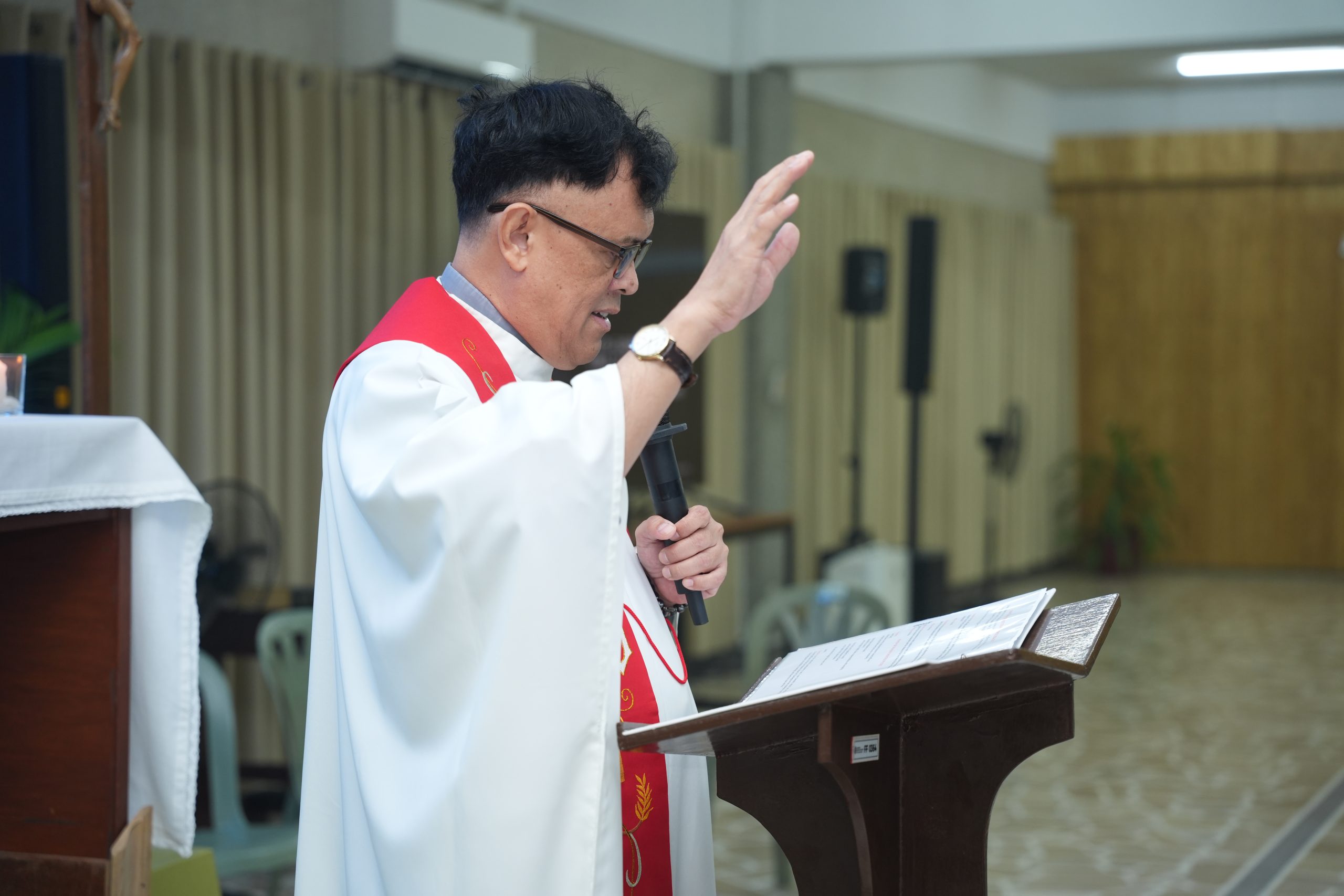
Presided over by Most Rev. Bishop Sam Agcaracar, D.D., the celebration was more than a formal opening of the academic year. It was an invitation to the entire DBST community to reflect on what theological education is ultimately meant to accomplish.
More Than Knowing—Being Transformed
In his homily, Bishop Agcaracar reflected on the coming of the Holy Spirit upon the disciples. The Spirit transformed them from a fearful community into bold witnesses.
This image provided an important foundation for the beginning of a new year at a School of Theology.
As Bishop Agcaracar emphasized, the Spirit is received not simply so that we may know more, but so that we may be transformed and sent.
Theological formation, therefore, cannot end in the classroom. Knowledge of God and the study of theology must eventually shape the way we live, serve, and respond to the realities of the world around us.
The bishop drew from his own journey in ministry to illustrate this truth.
As a young seminarian, he initially wanted to specialize in Liturgy. However, through obedience, he was asked first to study Dogmatic Theology in Rome and later to shift to Missiology. What initially appeared to be unexpected changes in his plans eventually became part of God’s preparation for his ministry.
Looking back, he recognized the work of the Holy Spirit in those unexpected turns.
His experience offered a reminder to the DBST community: God’s guidance does not always come according to our own plans or preferences. Sometimes, the Spirit leads us through obedience, unexpected changes, and even difficulties.
A Distinctive Vocation as a Laudato Si’ School of Theology
Bishop Agcaracar also placed special emphasis on DBST’s recognition as a Laudato Si’ School of Theology.
For him, this recognition is more than an institutional distinction.
It is a vocation.
The bishop described it as a call to form priests, religious, missionaries, and theologians whose proclamation of the Gospel embraces the whole of creation.
Care for our common home, he emphasized, is not something added to the Church’s mission. It belongs to that mission.
This has particular significance for theological education.
If theology seeks to understand God’s revelation within the concrete realities of every age, then theological formation must also engage the ecological realities facing humanity and creation today.
Bishop Agcaracar connected this vocation with the Salesian charism of Saint John Bosco, who sought to form “good Christians and honest citizens.”
Today, he challenged DBST to extend this vocation by forming good Christians and faithful stewards of creation.
From Theology to Action
The bishop’s own experience with the SVD Laudato Si’ Farm in Tagaytay further illustrated the importance of putting theological reflection into practice.
He shared how his commitment to ecological conversion eventually contributed to the development of the farm as an effort to translate Laudato Si’ into daily life through ecological formation, sustainable agriculture, spirituality, and care for our common home.
From this experience came a simple but profound truth:
Authentic theology must bear concrete fruit.
Theology must transform minds and hearts—and transformed hearts must lead to action.
This is an important challenge for every student, professor, formator, and member of the DBST community. The question is not only what we learn, but what that learning changes in us and how it moves us to serve.
Bringing Together the Spirit of Don Bosco and Arnold Janssen
Bishop Agcaracar concluded by bringing together two traditions that have a meaningful connection to the celebration: Saint John Bosco and Saint Arnold Janssen.
Don Bosco teaches us to love and educate the young as “good Christians and honest citizens.”
Arnold Janssen invites us to contemplate the mystery of the Incarnate Word and recognize God’s presence in creation.
These traditions meet in a shared call to faith, mission, formation, and care for creation.
As Bishop Agcaracar expressed it, DBST’s distinctive vocation is to unite:
- DBST’s passion for truth
- The Salesian passion for the young
- The SVD’s passion for the Incarnate Word
- A passion for the integrity of creation
And it is the Holy Spirit who makes this vocation possible.
The Theology We Live
Perhaps the most memorable challenge of the homily came near its conclusion:
“For the most convincing theology is not simply the theology we teach. It is the theology we live.”
This statement captures the heart of the academic year ahead.
Theology is not merely an academic discipline. It is a way of encountering truth that should lead to wisdom, contemplation, mission, transformation, and ultimately action.
As DBST begins another year of formation, may its community continue to grow not only in knowledge but also in holiness, service, fraternity, and care for creation.
May the Holy Spirit renew the minds and hearts of everyone who studies, teaches, forms, and serves at DBST.
And may Don Bosco School of Theology continue to be a place where:
truth leads to wisdom,
contemplation leads to mission,
and theology leads to transformation.
Because the goal is not simply to teach theology.
It is to live it.