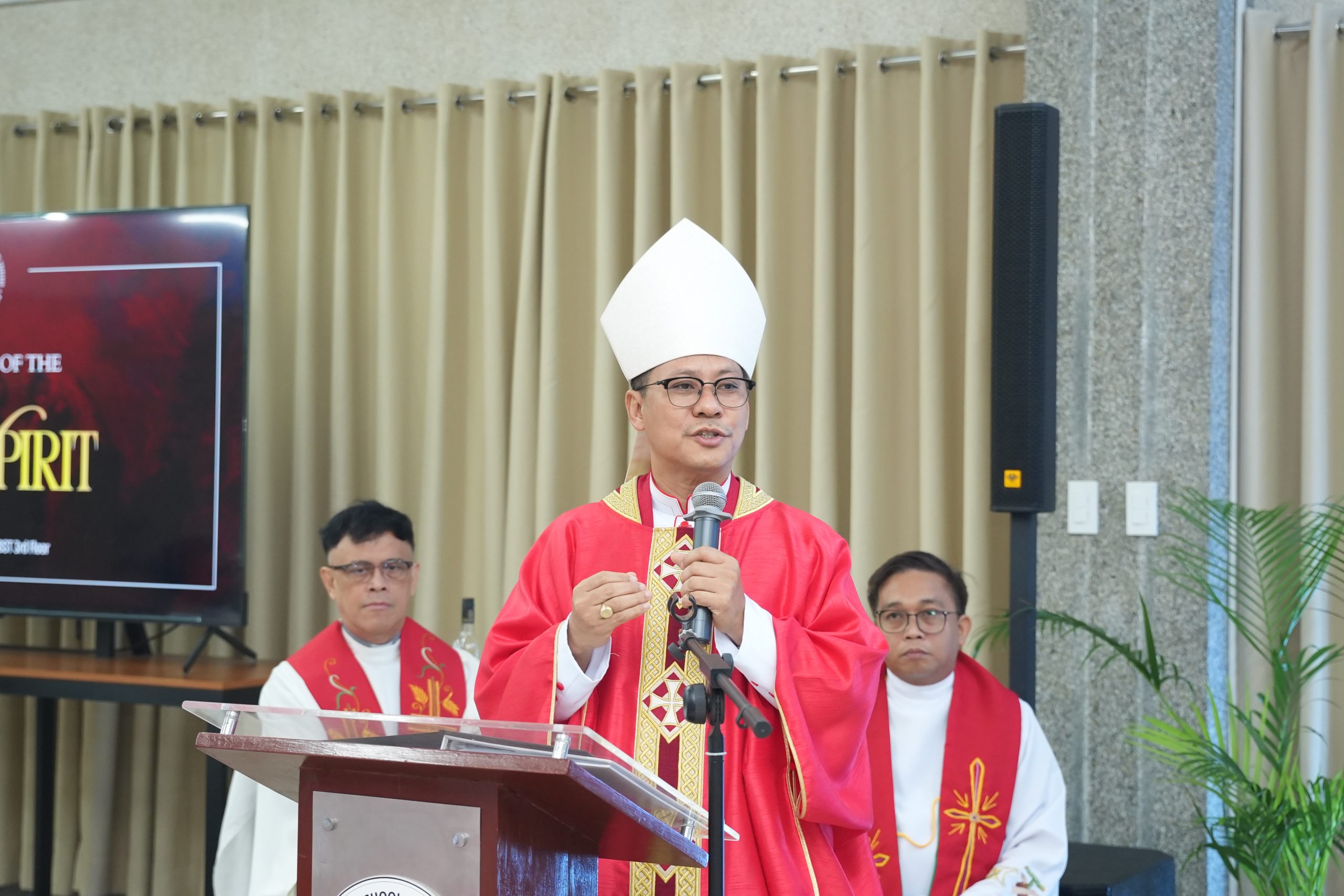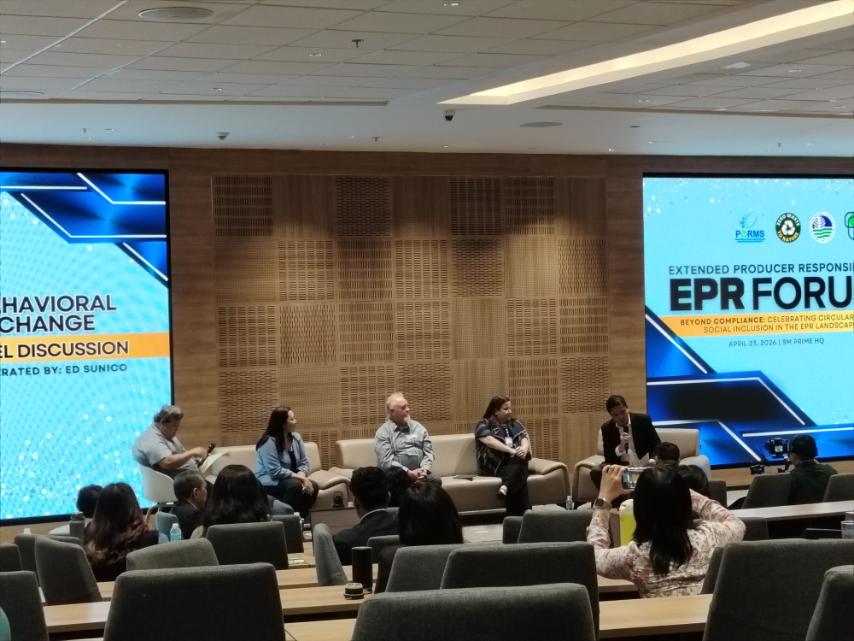
The Don Bosco School of Theology (DBST) recently participated in a pivotal dialogue at the Extended Producer Responsibility (EPR) Forum, titled “Beyond Compliance: Celebrating Circularity and Social Inclusion in the EPR Landscape.” Our President, Fr. Francis O. Gustilo, SDB, represented the institution as a key panelist in the session “Bridging Grassroots Diversion”. During the discussion, Fr. Francis highlighted that the missing link in behavioral change is often not a lack of knowledge, but a lack of meaning.
The DBST “THEOCOLOGY” Framework
Fr. Francis shared DBST’s unique THEOCOLOGY framework, which moves ecological responsibility from mere technical compliance to a profound spiritual and moral conversion. This framework operates on three levels:
Theology (Why): Rooting ecological action in faith as a response to God’s love.
Ecology (What): Teaching the vital science of environmental sustainability and degradation.
Technology (How): Applying practical solutions such as waste segregation and sustainable campus practices.
Key Discussion Pillars & DBST Contributions
The panel tackled actionable strategies for national impact, with Fr. Francis providing deep insights into the role of faith-based education:
Driving Cultural Transformation: Fr. Francis emphasized that at DBST, transformation begins with formation, not just information. Sustainable change occurs when ecological care is internalized as a personal vocation rather than imposed as a policy.
Innovating in Education & Advocacy: By integrating ecology into the curriculum for seminarians and lay leaders, DBST frames circular products as expressions of stewardship and dignity. This approach utilizes values-based communication—centered on Malasakit (care), Pananagutan (responsibility), and Bayanihan (collective action)—to build trust rooted in a shared moral identity.
Aligning Multi-Sector Stakeholders: DBST acts as a bridge institution, aligning the Church, academe, and grassroots communities. This “formation-driven convergence” ensures that stakeholders are united by a shared vision of integral ecology, not just a shared strategy.
Influencing National Strategies: Fr. Francis noted that in the Philippines, partnering with faith institutions is a critical leverage point for behavioral change because it engages the moral and spiritual motivations of the people.
Scaling Behavioral Change: Scaling occurs through “formation ecosystems,” where training one leader influences an entire parish and, eventually, a community. Change is sustained when it becomes spiritual (conversion), communal (shared practice), and institutional (embedded systems).
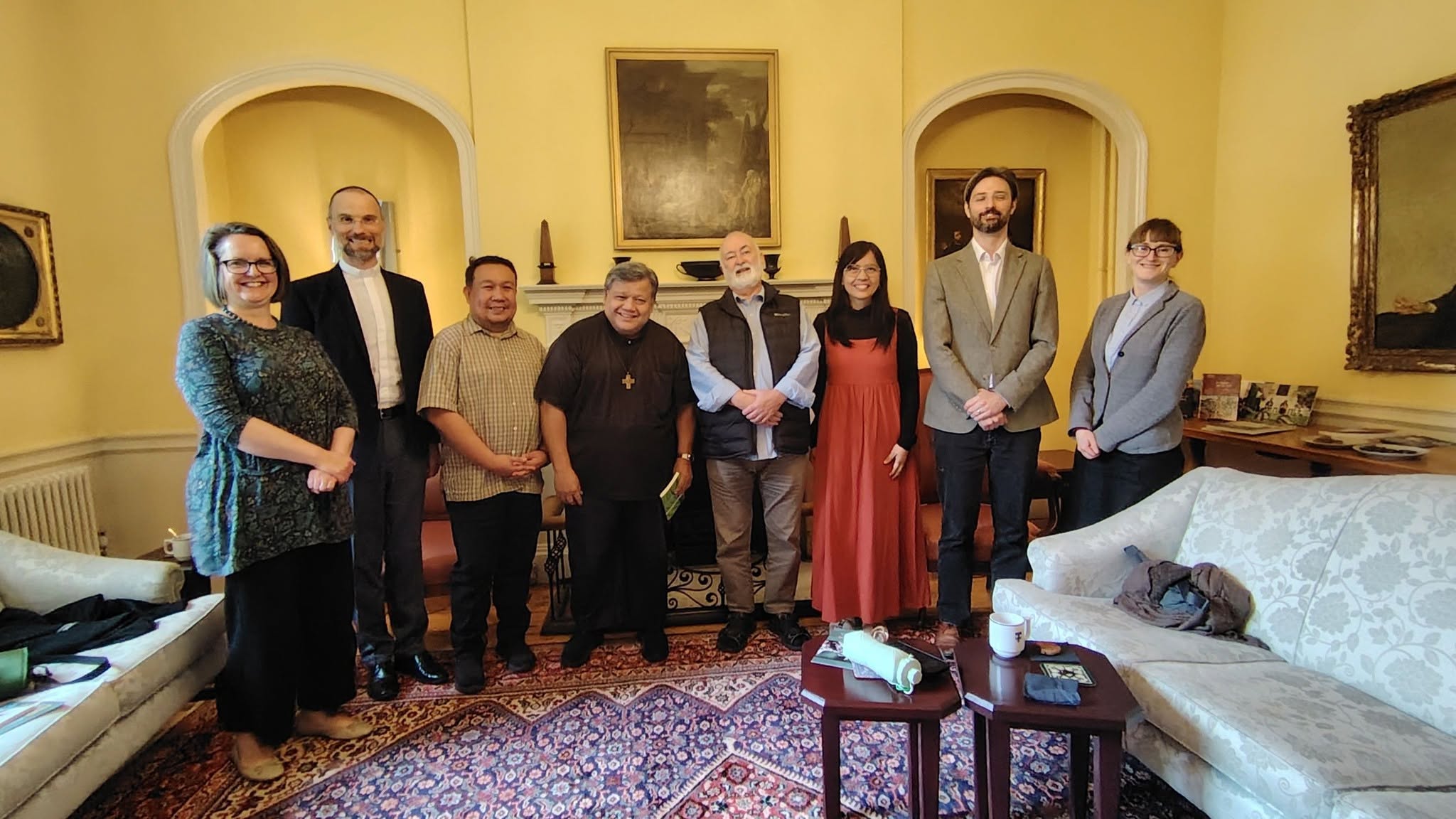
Fr. Francis was joined by a distinguished group of experts, including Gwyneth Anne Palmos (Programme Analyst, UNDP), Darren Heppner (Chief of Strategy and Relationship Development Officer, One Earth–One Ocean Manila), and Nena Wuthrich (Assistant Vice President for Sustainability, SM Investments Corporation). The session was moderated by Ed Sunico.
At DBST, we believe that when people view ecological action as an act of faith and an expression of love, behavior shifts from compliance to conviction.